

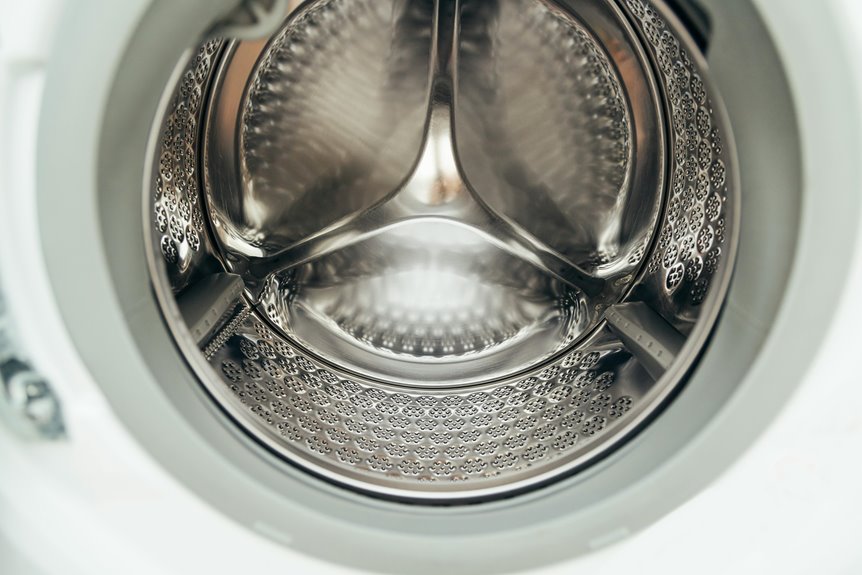

Could that musty smell in your washing machine be more than just damp clothes? Usually, yes, and the cause often hides in places you don’t check, like the gasket, drawer, and drain path. Fortunately, you can clear it fast with a few simple fixes, from hot vinegar and baking soda cycles to a deeper clean of the parts that trap grime. One small habit shift can keep the odor from sneaking back.
Why Your Washing Machine Smells Musty
Should your washer smells musty, the cause is usually a mix of moisture and buildup that never fully gets rinsed away.
You’re not alone, and that stale smell doesn’t mean you’ve done anything wrong. Whenever damp clothes sit inside, mildew can grow fast. Soap scum, detergent, and fabric softener also leave a film that traps odor. In case your machine has weak air circulation, that trapped moisture hangs around longer. Front-load washers can collect grime in the door gasket, while blocked filters or drains keep water from moving out. Over time, that concealed mess starts to smell like a wet towel that missed the sun. Once you spot the pattern, you can feel more in control and ready to clear the odor at its source.
Run a Hot Vinegar Cleaning Cycle
You can tackle that musty smell fast via running a hot vinegar cycle in your washer.
Pour 2 cups of vinegar into the dispenser or drum, then let hot water work through the grime and odor-causing residue hiding inside.
The heat helps loosen soap scum and trapped buildup, while the vinegar helps cut the bacteria that keep the smell hanging around.
Vinegar Cycle Setup
Pour 2 cups of vinegar into the detergent dispenser or straight into the drum, then run a hot water cycle with a soak option for 20 to 30 minutes so it can work through the grime and odor buildup.
Keep the vinegar concentration strong enough to loosen residue, and choose cycle timing that gives the solution time to move through concealed spots.
You’ll feel better being aware you’re tackling the smell at its source. In case your washer has a front gasket or a detergent tray, this step helps your whole laundry space feel fresher and more cared for.
Stay with the cycle until it ends, then leave the door open so moisture can escape. That simple move helps your washer feel like part of a cleaner routine.
Hot Water Benefits
Heat does more than just warm the water, because it helps your vinegar cleaner move faster and work deeper.
Whenever you run a hot cycle, heat transfer enhances the vinegar’s reach, so it can loosen mineral buildup that clings inside your washer.
You’re giving your machine a fresh start, and that feels good.
- Steam rises like a soft fog.
- Water swirls against the drum walls.
- Vinegar slips into concealed corners.
- Warmth softens stuck-on scale.
- The tub feels cleaner after the cycle.
That gentle heat also helps the solution spread evenly, so you’re not leaving cold spots behind.
Should your washer have been holding onto stale smells, this step gives you a simple reset.
It’s a small habit, but it helps your laundry space feel cared for.
Odor-Causing Residue
| Step | What you do |
|---|---|
| 1 | Pour 2 cups of vinegar into the drum. |
| 2 | Set the washer to hot water. |
| 3 | Add a soak option for 20 to 30 minutes. |
| 4 | Run the cycle to cut residue and microbial biofilms. |
| 5 | Wipe the door, gasket, and dispenser afterward. |
This helps reduce odor, airborne allergens, and that lingering funk you don’t want sharing space with your clothes.
Scrub the Detergent Drawer and Gasket
Start pulling out the detergent drawer and giving it a thorough scrub, because this small space can hold a surprising amount of grime.
You’re not alone in case yours looks slimy; lots of washers hide residue here.
Wash the drawer with warm water, mild soap, and an old toothbrush, then dry it fully before sliding it back.
Next, wipe the gasket, especially the folds where damp lint can rest like a tiny swamp.
You may use a soft cloth to keep the seal fresh, and a little rubber conditioning helps it stay flexible.
Should the drawer stick, a touch of drawer lubrication can help it glide smoothly.
- open drawer
- warm suds
- soft bristles
- folded seal
- dry cloth
Clean the Filter and Drain Pump
Before you reach for any cleaner, give the filter and drain pump a careful check, because concealed lint, hair, and small debris can trap water and feed that stubborn musty smell.
You can feel more in control whenever you start with this simple pump inspection. Unplug the washer, then open the access panel and place a towel and shallow pan nearby.
Turn the filter slowly, and do your clog removal with your fingers or a soft cloth. Should water spills occur, let it drain fully.
Next, check the pump housing for coins, buttons, or grit that could slow flow. Wipe the parts clean, then tighten the filter again.
Once everything sits clear, your washer can drain better, and you’ll help the whole machine breathe easier.
Deodorize the Drum With Baking Soda
Baking soda can help you clear out that stale smell and give your washer drum a fresh start.
You’ll pour it in, run a hot cycle, and let it work on leftover residue that often hides inside the tub.
After that, a rinse and spin can help leave the drum feeling clean and ready for your next load.
Baking Soda Cycle
A simple baking soda cycle can do a lot of quiet work whenever your washer smells stale. You can join other homeowners who trust this gentle reset because it works as one of the safest odor neutralizers. Pour 1 cup of baking soda straight into the drum, then choose a hot wash. Should you like, add mild cycle additives that fit your machine’s manual, but keep the mix simple. The powder helps lift stuck-on residue, and the warm water carries that gray film away.
- White powder resting in the drum
- Steam fogging the glass door
- Suds fading into clear water
- Fresh air drifting from the tub
- A clean load waiting after the spin
After the cycle, leave the door open so the space can dry fully and stay welcoming.
Deep Drum Freshening
Should the last baking soda cycle already have helped lift that stale smell, you can take the freshening one step further through treating the whole drum like the source of the problem it is. Sprinkle baking soda across the empty tub, then run the hottest cycle you’ve got. This helps loosen trapped residue, and it gives your washer a cleaner reset. In case the odor still lingers, wipe the drum after the cycle and let the door stay open.
| Step | What you do |
|---|---|
| 1 | Add baking soda to the drum |
| 2 | Run a hot wash |
| 3 | Wipe the inside dry |
| 4 | Use enzyme cleaners on stubborn grime |
| 5 | Keep charcoal sachets nearby for extra freshness |
You’re not fighting this alone. A few careful rounds can make your washer feel like part of the home again.
Wipe Out Moisture After Every Wash
After every wash, take a minute to wipe out the moisture inside your machine, because that small habit can save you from a big musty smell later.
You’re helping your washer feel cared for, and that care shows in fresher laundry and less grime.
Use a soft cloth to dry the drum, gasket, and detergent drawer.
- Catch beads of water on the glass
- Press along the rubber seal folds
- Lift out lint or soap paste
- Dry the drawer track where puddles hide
- Check moisture sensors and vents for damp spots
This quick habit supports air circulation and keeps leftovers from turning into mildew.
Whenever you make it part of your routine, your machine stays friendlier, cleaner, and ready for the next load without that awkward whiff.
Leave the Door and Drawer Open
Often, the simplest fix is the one that works best, and leaving the door and detergent drawer open gives your washer the fresh air it needs. You help air flow move through the drum, gasket, and dispenser, so damp spots dry out faster. That matters because trapped moisture can feed musty smells and slow mold prevention.
Should you have a front-loader, this habit can feel like a small win that keeps the seal from staying soggy. After each load, open both parts wide and let them breathe for a few hours. Should children or pets be around, just keep the area safe and clear.
This easy step fits right into your home routine and helps your washer feel less like a swamp and more like part of the family.
Build a Routine to Prevent Odors
A simple routine can stop washer odors before they start, and that’s good news should your laundry room have been smelling a little too “lived in.”
You can keep your machine fresher through cleaning it once a month, unloading damp clothes right away, using the right amount of detergent, and wiping the inside after each wash.
Build weekly maintenance into your laundry day so grime never gets a foothold.
Then do a seasonal inspection of the door gasket, filter, and drain for trapped lint or moisture.
- Fresh towels folded beside a clean, dry drum
- A soft cloth wiping the rubber seal
- Clear water flowing through a rinse cycle
- An open washer door breathing out damp air
- A small basket of detergent measured for one load
Frequently Asked Questions
How Often Should I Deep-Clean My Washing Machine?
Deep-clean your washing machine once a month for routine upkeep. If you use it heavily or notice odors, give it a more thorough cleaning every three months. This helps keep the machine fresh and running well.
Can I Use Vinegar and Bleach Together Safely?
No, vinegar and bleach should not be mixed. Together, they can form toxic chlorine gas and create a serious health hazard. Use each cleaner separately, with plenty of rinsing in between, or switch to a different product made for the job. This helps protect your home and your health.
What if the Musty Smell Returns After Cleaning?
You’ll need source tracing because odor that comes back usually points to hidden residue, wet seals, or clogged drains. If you clean thoroughly and the smell still returns, inspect the area, dry every surface, and repeat the process each month.
Are Top-Load and Front-Load Washers Cleaned Differently?
Yes, you will clean top-load and front-load washers differently. Front-loaders need extra care around the door gasket, and stacked or portable washers may be harder to reach. Still, wipe the surfaces, run hot cycles, and dry all parts thoroughly.
Which Cleaning Method Is Safest for Rubber Seals?
For rubber seals, the safest option is gentle cleaning with dishwasher safe wipes or silicone safe sprays, followed by thorough drying.
