

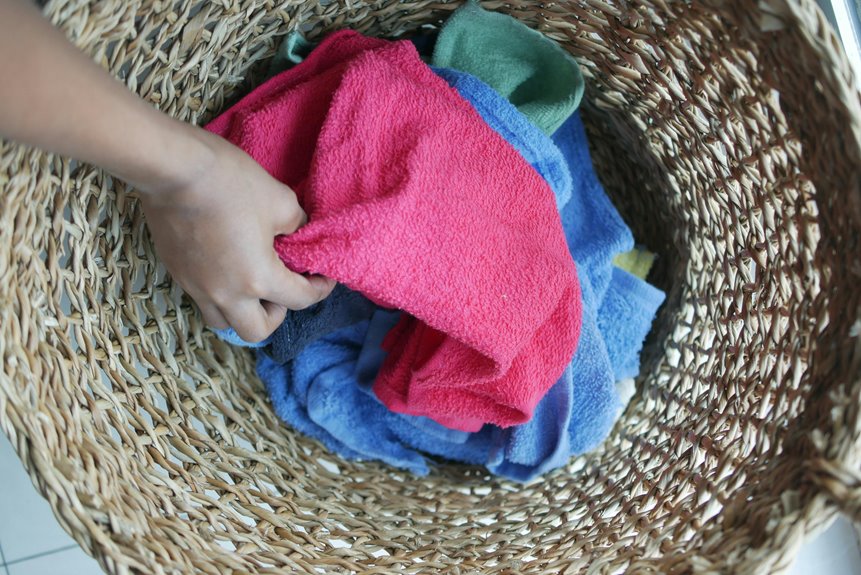

You may not know that sorting laundry according to fabric behavior, not just color, can stop fading, pilling, and stretched-out seams before they start. Whenever you separate according to weight, care label, soil level, lint risk, and wash temperature, each load gets the care it really needs. That simple shift can save your clothes, your time, and a few laundry-day headaches, especially once you see which items should never meet in the same basket.
Build a Simple Laundry Sorting System
Start with one simple rule: sort based on what the fabric needs, not just based on what looks alike.
You’ll feel more in control whenever you set up a few bins and give each one a job. Use color coding for quick signals, then rely on basket placement so everyone in your home knows where each load belongs.
Keep towels together, delicates apart, and heavy items away from thin knits.
Check care labels before you toss anything in, because that small step saves you from stretch, fading, and snags.
In case you handle laundry the same way each time, the routine stops feeling messy and starts feeling shared.
You’re not doing it wrong provided you keep it simple; you’re building a system that actually fits your life.
Sort Laundry by Color
Once your laundry bins already have a purpose, color becomes the next easy filter that keeps you from second-guessing every shirt. You can sort whites, lights, darks, and brights in minutes, and that simple habit helps your clothes stay looking like they belong in the same wardrobe family.
Use the color wheel as a gentle guide: keep reds, navy, and black apart from pale pinks, soft blues, and off-whites. Then set aside seasonal clothes, since summer brights and winter darks often pile up in different ways. Should you spot a new item, give it extra care on its initial wash so dyes don’t wander. With a calm system, you’ll spend less time worrying and more time enjoying clean clothes that feel like yours.
Sort Laundry by Fabric Weight
You’ll get better results whenever you sort laundry according to weight, because heavy towels and sheets need a different wash than light shirts and delicates. Mixing thick fabrics with thin ones can cause extra wear, stretching, or even small tears, and nobody wants a favorite top getting bullied by a bath towel.
Start by pairing similar weights together so each load moves freely and gets cleaned gently.
Light Vs. Heavy Fabrics
Heavy and light fabrics don’t belong in the same wash, because they act very differently once the drum starts spinning.
You’ll keep your load balanced when you group sturdy cottons, jeans, and towels apart from tees, jerseys, and other light pieces.
Heavy items press down and can strain thread strength, while lighter ones move faster and rub harder.
That’s why you should check fiber blends too, since mixed fabrics often need a gentler match.
Then sort according to feel in your hands: provided one piece seems thick and dense, it belongs with similar weights.
This simple habit helps you protect shape, reduce wear, and keep your clothes looking like they belong in the same happy closet.
Washing Delicate Weights
Whenever you sort delicate clothes according to fabric weight, you give each piece a better chance to stay smooth, safe, and in shape. You protect your favorite items and keep laundry day calmer.
Place silk handling pieces with other featherlight fabrics, not alongside thick towels or jeans. Afterwards use a mesh bag for lace preservation, so trim edges don’t snag in the wash.
Next, group light knits with blouses and thin scarves, because they need gentle movement, not a rough tumble. Also, check tags before you load the machine, since some fabrics want cold water and short cycles.
Should you separate based on weight to begin with, you help your clothes last longer and fit better. That’s a small habit, but it feels like your laundry crew has your back.
Keep Delicates Separate
Delicate fabrics need extra care, so it helps to keep them separate from the rest of your laundry. You protect silk, lace, and wool whenever you give them their own small load, and that simple step can save you from snags and stretching.
Use mesh protectors for items with straps, hooks, or fine threads, because they add a gentle layer of safety. Then choose air drying techniques for these pieces so they keep their shape and feel soft against your skin.
You’ll also feel more confident whenever you sort this way, since your favorite clothes stay ready for the next time you wear them. A little separation now keeps your delicate pieces looking cared for, and that’s a win you can feel good about.
Sort Laundry by Wash Temperature
Now that you’ve sorted out your delicates, the next smart move is to wash each load at the right temperature. You help every fabric stay in its best shape whenever you match the heat to the item.
Use a cold wash for darks, bright colors, and synthetics, since cooler water lowers fading and shrinkage. Warm water works well for everyday cottons that need a bit more cleaning power.
Save hot water for towels, sheets, and sturdy whites, and use a hot soak only whenever you need extra help with stubborn odor or buildup. Check care labels initially, because they tell you what your clothes can handle.
When you choose the right setting, you protect your favorites and keep your laundry routine calm, easy, and right at home.
Sort Laundry by Soil Level
Whenever you sort laundry according to soil level, start initially pulling out the lightly soiled clothes that only need a normal wash.
Then gather the heavily soiled items, since they often need more time, more water, or a stronger cycle to come clean.
This simple step helps you protect cleaner clothes from extra grime and gives dirty items the tougher wash they really need.
Lightly Soiled Items
Lightly soiled clothes often make laundry feel easier, and that’s exactly why they deserve their own sort. You can gather shirts worn for a short outing, pants with only a little dust, and layers you’d wear again after quick refreshes. This keeps your wash calm and helps you feel in control.
Whenever you sort this way, you also spot items ready for seasonal decluttering, like pieces you keep washing but never wear. Then you can group them according to color and fabric, so your load stays balanced and your clothes stay safe. In case something only needs a gentle clean, don’t mix it with busier piles. That small choice saves time, lowers wear, and makes your laundry routine feel more like a team effort.
Heavily Soiled Loads
Heavily soiled laundry needs its own pile, and that small step can save you from a lot of frustration later.
Whenever you sort according to soil level, you give grimy clothes the attention they need without spreading mess to cleaner items. You also make odor removal easier because sweat, mud, and food stains won’t hide in a mixed load.
Check each piece, then set aside workout gear, kids’ play clothes, and kitchen towels for stronger wash care.
For stain remediation, treat spots before you start the cycle, especially on sturdy cottons that can handle warmer water.
Next, wash these items separately so the detergent can work harder. That way, you protect your other clothes, and your laundry routine feels calmer, cleaner, and a little less like a rescue mission.
Group Clothes by Lint and Pilling Risk
Sorting via lint and pilling risk can save your clothes from looking tired too soon. You keep fuzzy towels, chenille, and flannel apart from smooth knits and dark basics, so stray fibers don’t cling where they shouldn’t. That kind of fuzz prevention helps your favorite pieces stay fresh, and it makes fabric compatibility feel easy instead of fussy.
Next, you group items that rub each other in similar ways, because rough fabrics can pill soft ones fast. Cotton tees do better with other low-risk pieces, while sweaters, fleece, and brushed fabrics deserve their own calm load. You’ll also protect newer clothes through washing them with similar textures, not rough jeans or velcro.
Small choices like these help your laundry feel more like a team and less like a mismatch.
Check Care Labels Before Washing
Before you toss anything in the washer, check the care label at the outset. It tells you what your clothes require, so you don’t guess and hope for the best.
- Read the symbols initially. They show water temperature, cycle, and drying limits.
- Spot special rules. Dry clean only, hand wash, and no-bleach tags protect fragile pieces.
- Match the tag to the load. That keeps label lint low and helps your fabric lifespan.
When you follow the tag, you join a smarter laundry routine that feels easy and familiar. A shirt that looks simple might still need cool water or a gentle spin.
Separate Towels and Bedding
Now that you’ve checked the care labels, you can give towels and bedding their own wash space. You’ll protect both fabrics and make laundry day feel calmer.
Towels shed lint, hold moisture, and need room to move, while sheets, pillowcases, and comforters need a gentler tumble. Keep white towels apart from colored ones, then group bedding according to fabric weight so heavy blankets don’t beat up lighter sheets. This also helps your linen rotation stay fresh, because clean sets are easier to swap in and out.
Whenever you store seasonal quilts or guest sets, use bedspread storage that lets air circulate and keeps fibers from getting crushed. Little sorting habits like these save time, reduce wear, and help your whole laundry routine feel like it fits you.
Frequently Asked Questions
How Often Should Laundry Baskets Be Emptied?
Empty laundry baskets every day so piles do not build into a fabric mountain. To keep your home feeling orderly, clear them regularly and sort out items you no longer use each season.
Can New Clothes Be Washed With Regular Laundry?
Usually, you can wash new clothes with your regular laundry once you have checked the care label and tested the dye for color transfer. If the items are vivid, dark, or delicate, wash them separately at first to prevent bleeding or damage.
Should Jeans Be Washed Inside Out?
Yes, wash jeans inside out to protect the outer fabric and slow color loss. This also reduces rubbing, helps the dye stay richer for longer, and keeps the denim looking sharper with less surface wear.
How Do I Sort Clothes With Mixed Colors?
Sort mixed colors by separating whites, placing bright prints with light colors, and washing dark items on their own to stop dye transfer. This helps keep your clothes in good shape and shows you know your way around laundry.
What’s the Best Way to Separate Workout Clothes?
Wash workout clothes in a separate load using cold water and turn them inside out. This helps preserve moisture wicking fabric, maintain odor control, and stop sweat, bacteria, and synthetic fibers from spreading to the rest of your laundry.
