

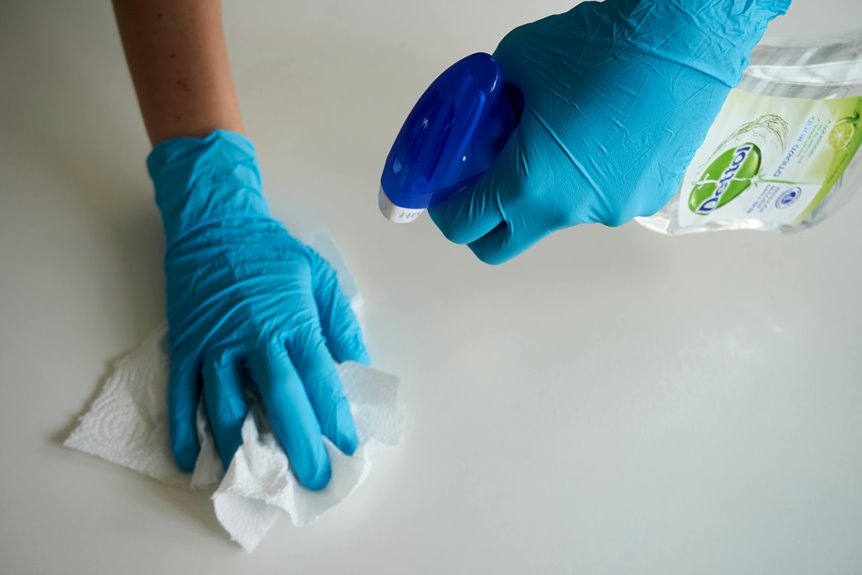

Should your stone have started to look a little under the weather, you’re not alone, and fortunately you don’t need harsh products to help it recover. You can protect marble, granite, and other natural stone with the right pH, gentle daily care, and a few stain-saving tricks that won’t pick a fight with the surface. From mild soap washes to smart sealing and safe ways to tackle buildup, the details ahead will show you how to clean with confidence and avoid costly mistakes.
What to Look for in a Natural Stone Cleaner
In case you’re choosing a natural stone cleaner, start with one that’s made to protect the stone as much as it cleans it. You want labels that mention stone friendly ingredients, stone-safe use, and antibacterial action. That mix helps you care for your space without making the surface feel tired or rough. Choose a formula made for marble, granite, or other natural stone, since your floors and counters deserve that kind of respect.
For regular cleaning, pick a product that works on a daily or weekly schedule and still supports long term durability. Should you like easy routines, look for cleaners you can mist on lightly, let sit for a moment, then wipe with a microfiber cloth. That simple habit keeps your stone looking like it belongs in your home.
Pick a Safe pH for Stone
A safe pH does more for natural stone than just help it look clean, because it also protects the finish you worked hard to keep. You want a cleaner with an optimal pH near neutral, so your stone stays calm, not irritated. That matters because acidic or harsh products can etch marble, limestone, and similar surfaces.
| pH range | What it means |
|---|---|
| Below 7 | Often too acidic for stone |
| Around 7 | Usually the safest zone |
| Above 7 | might still need stone-safe buffer systems |
When you read labels, look for pH-neutral stone care and buffer systems that keep the formula steady. Then you can choose with confidence and feel like your stone is part of the family, not a chemistry experiment gone sideways.
Clean Stone Daily With Warm Water
Warm water gives you a simple way to care for stone each day because it lifts loose dirt without stressing the surface.
Whenever you wipe gently with a soft cloth, you help stop grime from settling into tiny pores and seams.
This small habit can keep buildup from turning into a bigger cleaning job later.
Warm Water Benefits
Using warm water for daily stone care can make a big difference, because it lifts light dirt, fresh spills, and oily film without stressing the surface.
You get better thermal comfort, so the water feels pleasant in your hand and helps you stay consistent.
It also supports microbial control through loosening grime before it settles in small pores.
Whenever you clean this way, you protect the stone’s natural look and keep your space feeling cared for.
Warm water works well on sealed marble, granite, and similar stones, and it avoids the harsh bite of strong cleaners.
Should you want a simple habit that fits your routine, start here.
You’ll make your stone feel fresh, and you’ll help your home stay inviting every day.
Gentle Daily Wiping
Make daily wiping feel easy through treating it like a quick reset for your stone, not a big chore. You keep the surface friendly using warm water and a soft microfiber cloth. That simple habit helps your stone stay part of your home’s calm rhythm, and it supports microfiber maintenance too.
| Step | What You Do | Why It Helps |
|---|---|---|
| 1 | Dampen cloth | Lifts light dust |
| 2 | Wipe softly | Protects the finish |
| 3 | Flip cloth | Uses a clean side |
| 4 | Dry the stone | Cuts water marks |
| 5 | Watch ambient humidity | Helps you time wiping |
When you move through shared spaces, this routine feels easy to keep up with. You’re not chasing perfection. You’re caring for the stone in a way that fits your day and keeps your home feeling welcoming.
Preventing Surface Buildup
Often, the easiest way to prevent surface buildup is to clean stone every day with warm water before dirt has a chance to settle in and stick. You keep grime from turning into a stubborn film, and your stone stays welcoming, not worn down. Use a soft microfiber cloth, then dry the area so water spots don’t linger.
In the event spills happen, wipe them right away, because even small messes can trap dust and dull the finish. During seasonal maintenance, check corners, entryways, and kitchen edges more often, since those spots collect the most buildup. You can also place traffic mats at doors to catch grit before it reaches the stone.
With these simple habits, you protect the surface and help your home feel cared for every day.
Use Diluted Dish Soap for Routine Cleaning
For routine cleaning, you can mix a small amount of dish soap with hot water to make a gentle stone-safe wash.
Use a soft microfiber cloth to wipe the surface lightly, so you lift dirt without scuffing the stone.
Then rinse the area well with fresh water to remove every bit of soap residue and keep the finish bright.
Mixing Soap Solution
Start with a simple soap mix that’s safe enough for everyday stone care. You can make a soft cleaner with warm water and a tiny splash of mild dish soap, then blend it gently until it looks almost like a micellar solution. Use measuring tools so you keep the ratio steady and your stone stays protected.
| Ingredient | Amount | Purpose |
|---|---|---|
| Warm water | 1 gallon | Base |
| Mild dish soap | 1 tablespoon | Lift dirt |
| Clean bucket | 1 | Mix safely |
| Measuring tools | 1 set | Keep balance |
| Soft stir stick | 1 | Blend gently |
This mix fits your routine and helps you feel confident in your care. In case you share a home with others, this simple step keeps everyone on the same page. Mix only what you need, and avoid extra soap, since too much can leave a dull film on stone.
Gentle Surface Wiping
Gently wipe the stone with your diluted dish soap mix, and you’ll remove daily dust, fingerprints, and light spills without stressing the surface. Use a soft microfiber cloth, then follow a gentle microfiber technique so you lift grit instead of dragging it. Work in small sections, and keep your touch light, like you’re helping the stone relax after a long day.
For streak prevention, move the cloth in one direction and switch to a dry corner when the cloth gets damp. Should you meet a sticky spot, give it a second pass rather than scrubbing hard. This routine keeps your stone looking cared for, welcoming, and ready for the next shared meal, hallway hello, or quiet morning cup.
Rinsing Residue Thoroughly
After you wipe away the loose dirt, rinse the area well so the soap doesn’t dry into a dull film. You’re part of a careful crew now, and this step keeps your stone looking cared for, not cloudy. Use fresh water and keep moving so you can spot leftover suds fast.
- Tilt the cloth or sponge often for rinse verification.
- Watch corners and grout lines for concealed foam.
- Wipe again with clean water for residue prevention.
If the surface still feels slick, rinse once more. Then dry it with a soft microfiber cloth so moisture won’t settle in. For routine cleaning, this extra pass matters because dish soap can cling to textured stone.
With a little patience, you protect the finish and keep your space welcoming.
Remove Stains With a Baking Soda Poultice
Whenever a stubborn stain won’t budge, a baking soda poultice can help draw it out without being harsh on your stone.
You can mix the baking poultice into a thick paste with water, then spread it over the stain in a small, even layer. After that, cover it lightly with plastic wrap and let it sit so the stain lift can happen slowly and safely. You’re not fighting the stone; you’re giving it time to let go of the mark.
Then, scrape away the dried paste with a soft tool and wipe the area with a damp cloth. Should the spot linger, repeat the process once more. This gentle step helps you care for your surface without feeling stuck or alone.
Remove Common Stone Buildup Safely
Soap film, dust, and light grime can build up on stone faster than you’d envision, especially in kitchens, entryways, and outdoor spots that catch every footstep. You don’t need harsh cleaners to take it back. Start with warm water and a few drops of mild dish soap, then wipe with a microfiber cloth for safe grit removal. In the event you notice mineral scaling, use a pH-neutral stone cleaner and let it sit for 30 seconds.
- Mist the surface lightly.
- Wipe in small circles.
- Dry right away.
For stubborn spots, use a soft brush, not a rough pad. That way, you protect the finish and keep your stone looking cared for. Whenever you clean gently, you help your space feel welcoming every day.
Seal Stone to Help Prevent Damage
A good stone sealer can save you a lot of worry, because it helps your surface fight off spills, stains, and daily wear before they sink in. You’ll feel better appreciating your stone has a quiet shield that works with you, not against you.
Choose a sealer made for your stone type, then test one small spot initially so you can watch how it reacts. After that, follow the label for seal maintenance and reapply once water stops beading. Should you’re unsure, use penetration testing to see whether the finish still blocks moisture well.
This simple habit helps you protect the look you love and keeps your stone ready for busy kitchens, baths, and entryways. A little care now can spare you a lot of stress later.
Avoid Mistakes That Can Damage Stone
Even with a strong sealer in place, one wrong cleaner can still leave your stone looking tired, dull, or blotchy, so it pays to be picky. You’re part of a crowd that wants your stone to stay beautiful, and that starts with smart habits.
Whenever you clean, avoid abrasive cleaners that scratch the finish and wear down the seal.
- Skip vinegar, lemon, and harsh bleach.
- Don’t ignore professional advice about your stone type.
- Use soft cloths, not scrub pads or rough vac tools.
If you need extra power, choose a pH-neutral stone cleaner instead. It lifts grime without stealing the shine.
Also, keep pressure low and touch light, because stone likes gentle care, not a wrestling match. As long as you stay careful, your surface stays safer, cleaner, and ready for everyday life.
Frequently Asked Questions
Can I Disinfect Natural Stone Without Dulling the Finish?
Yes, you can, if you use stone safe disinfectants and protect the finish carefully. Choose a pH neutral stone cleaner, apply it lightly, wait 30 seconds, then wipe the surface dry so the stone stays polished.
Is Isopropyl Alcohol Safe on Sealed Marble or Granite?
Yes, you can use 70% isopropyl alcohol on sealed marble or granite in small amounts, but do not let it remain on the surface. Wipe it off quickly, then use a pH-neutral stone cleaner to remove any residue and restore shine.
What Cleaner Removes Moss or Algae From Outdoor Stone?
Use oxygen bleach or a biodegradable algaecide on outdoor stone to remove moss and algae without harming the surface. Avoid vinegar solutions, and use pressure washing only if the setting is low and the spray is wide.
Will Hot Water Alone Harm Sealed Stone Surfaces?
No, hot water alone usually will not harm sealed stone if you use it sparingly. Avoid very high heat and repeated soaking, since both can push minerals out of the stone and reduce the sealer’s effectiveness over time.
Which Tools Clean Stone Without Causing Scratches?
You can clean stone safely with a soft brush and a microfiber cloth. They remove dust without scratching the surface. Use soft wash tools instead of abrasive pads for a smooth, trusted finish.
