

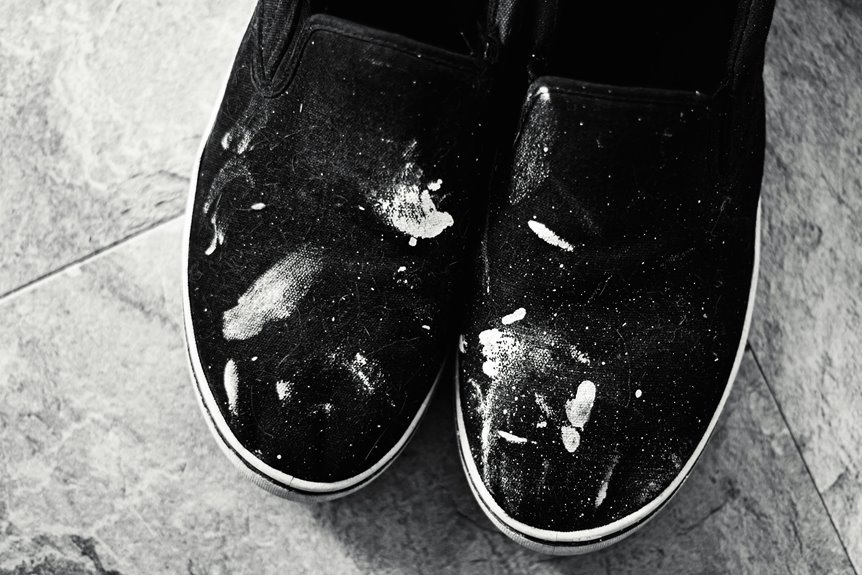

Dirty shoes can feel like a small disaster, but you can usually fix them with the right approach. First, check the material and brush off loose dirt so you don’t grind grime deeper. Then use simple cleaners for general mess, and switch to baking soda, cornstarch, hydrogen peroxide, or a magic eraser whenever the stain gets stubborn. The trick is understanding which method fits which shoe, and that’s where things get interesting.
Check These Things First
Before you start scrubbing, take a quick look at the shoes and figure out what you’re working with. Check the material, the color, and any care tag inside. A mesh pair needs a gentler touch than leather, and suede needs special care.
In case the shoes have glued parts, loose seams, or a worn sole, slow down so you don’t make things worse. Do a quick fit check too, because wet cleaning can change the feel a bit while they dry.
Next, read any warranty tips from the maker before you add water or cleaner. That small step can save you from a mistake later.
Once you know the shoe’s limits, you can move in with confidence and keep your cleaning routine simple, safe, and smart.
Remove Loose Dirt and Mud
Start through brushing off any loose dirt and dried mud so you don’t grind it deeper into the shoe.
In case the mess is caked on, gently tap the shoes together or use a soft brush to lift the bigger bits initially.
Then rinse the surface with cool water before you scrub, which helps loosen the grime and makes the rest of the cleaning much easier.
Brush Off Debris
A quick brush-off can save your shoes a lot of trouble later, so give them a careful once-over as soon as you bring them in. You’re helping your pair stay in the club, not just the closet. Use outdoor brushing whenever possible, since loose grit falls away fast and doesn’t spread inside. Choose the right bristle selection too: soft for mesh, firmer for soles.
| Shoe area | Best brush | What you see |
|---|---|---|
| Uppers | Soft bristles | Dust lifts away |
| Treads | Firm bristles | Mud breaks loose |
| Seams | Small brush | Crumbs vanish |
Work in short strokes, and keep the shoe steady in your hand. Should you meet caked dirt, tap the sole lightly first. Then brush again until the surface looks calm, clean, and ready for the initial step.
Rinse Before Scrubbing
Once you’ve brushed off the loose grit, give the shoes a gentle rinse to wash away the dirt that’s still clinging on, because dry dust can turn into gritty paste the second you start scrubbing.
Use a light pre rinse under running water, or a damp cloth when the shoe feels delicate. Keep the water temperature cool to lukewarm, since hot water can set stains or stress glue.
As the mud softens, you’ll see the surface clean up fast and your brush won’t have to fight so hard. Then you can move into scrubbing with more control and less mess.
Should a stubborn patch stay put, rinse that spot again before you press harder. This small step helps your shoes feel cared for and keeps the cleaning process easier on you too.
Match the Method to the Material
You don’t clean every shoe the same way, because leather, mesh, and suede each need different care.
On leather, use gentle cleaners and a soft cloth, while mesh handles mild soap and light scrubbing much better.
Suede needs the most caution, so you should use a suede brush or dry stain treatment to protect its texture.
Leather Care Basics
Provided that it comes to leather shoes, the safest cleaning method depends on the finish, because leather can be picky and a little dramatic in case you treat it like canvas. You can keep your pair looking like it belongs in the group with simple care and steady habits. Use a soft cloth initially, then choose gentle products that fit the surface.
| Finish | Best Care | What to Avoid |
|---|---|---|
| Smooth leather | Light wiping | Soaking |
| Patent leather | Dry buffing | Harsh scrubs |
| Nubuck | Soft brushing | Heavy water |
Your conditioning routines should stay regular, so the leather stays flexible. For polish selection, match color carefully and test a small spot ahead of time. Should you care for the finish, you protect the shoe and your confidence too.
Mesh Fabric Cleaning
Mesh fabric shoes can look light and sporty, but they also trap dirt fast, so the best cleaning method starts with the shoe’s color and how dirty it really is.
Use a gentle mix for most pairs, and save stronger scrubbing for white mesh that needs help.
- For light dirt, wipe with warm water and mild soap.
- For deeper marks, use a soft brush and a little baking soda paste.
- For salt spots, dab with diluted vinegar, then wipe clean.
You should also protect moisture wicking liners by using only a damp cloth inside, not soaking them.
Should your pair has embroidered mesh care needs, brush around the stitching with care so you don’t snag threads.
With the right match, you’ll keep your shoes fresh and easy to wear.
Suede Stain Treatment
Suede needs a gentle touch, so the initial step is matching the stain treatment to the type of mark and how long it’s been there.
For fresh spots, blot with a paper towel, then let baking soda sit overnight to lift oil and moisture.
For dry dirt, use a nibbed brush and move with the grain so you don’t rough up the nap.
Should a mark won’t budge, try a suede eraser with light pressure.
For knit suede, dab a cloth with white vinegar and work in alternating directions.
After cleaning, brush the fibers again so the texture looks even.
Once your shoes are dry, finish with waterproof spray. That way, you keep your pair looking clean and feeling like yours.
Clean Shoes With Soap and Water
Start with a simple soap-and-water wash whenever your shoes just need a refresh, not a full rescue mission. Mix a few drops of mild detergent with lukewarm water, then dip a soft cloth or brush into the solution.
You’ll lift daily dirt without soaking the material or making the job feel bigger than it is.
- Wipe the upper in small circles.
- Rinse the cloth often, so grime doesn’t spread.
- Use a clean towel to pat away moisture.
Next, clean the soles with the same mix, since they usually hold the most grit.
Should your shoes have fabric linings, stay gentle and keep the cloth barely damp.
Then let them air dry in a cool spot.
You’re not just cleaning shoes, you’re bringing them back into your rotation.
Treat Stains With Baking Soda
Baking soda can rescue a pair of shoes whenever a stain refuses to budge. You can mix it with a little water and hydrogen peroxide to make a thick paste, then spread it on the mark with a soft toothbrush.
Work in small circles so the stain chemistry interaction can loosen grime without harsh rubbing. Let the paste dry for about 30 minutes, because baking paste durability helps it stay in place long enough to lift discoloration.
After that, tap off the dry residue and wipe the shoe with a damp cloth. Should the stain still hangs on, repeat the process once more.
You’re not fighting alone here; this simple method gives your shoes another chance to look fresh and feel like part of your crew.
Lift Scuffs With a Magic Eraser
A magic eraser can scrub away scuffs faster than you could conceive, so don’t panic should your shoes pick up those gray marks. You can use a magic eraser for quick scuff removal on smooth leather, rubber, or synthetic uppers.
To start, lightly dampen it, then rub the mark with small, gentle strokes.
- Test a concealed spot first.
- Work slowly so you don’t dull the finish.
- Wipe the area with a clean cloth after.
Should the mark fades, stop there and let the shoe dry. As you move with care, you keep your pair looking fresh and part of your everyday crew.
For stubborn lines, repeat once, but don’t press hard. That way, you protect the surface and stay ready for your next wear.
Remove Grease With Cornstarch
Grease spots can feel like a shoe disaster, but cornstarch can help pull that oil right out before it sets in. Whenever you catch the mark promptly, sprinkle a thick layer over the spot and press it gently with your fingers.
This cornstarch application gives the powder time to work, so you don’t have to scrub hard and spread the mess. Leave it on for several hours, or overnight provided you can. Then brush it away and check the stain.
In case you still see shine, add more and repeat. This simple grease absorption trick works best once you act fast, and it can save your favorite pair from a rough day. You’ve got this, and your shoes can bounce back nicely.
Whiten Shoes With Hydrogen Peroxide
Hydrogen peroxide can bring tired white shoes back to life whenever scuffs and stains make them look dull. You can tackle the marks with a soft brush and a small bowl, and you’ll fit right in with people who keep their sneakers looking fresh.
Initially, check hydrogen peroxide safety by testing a concealed spot. Then mix a little with water or baking soda for a gentle scrub.
- Dip the brush lightly, not soaking wet.
- Work in small circles on each stain.
- Wipe away residue with a damp cloth.
These peroxide application tips help you lift grime without harsh rubbing. Should the stain lingers, repeat the process once more and stay patient. Your shoes can look cleaner, and you’ll feel proud wearing them again.
Let Shoes Air-Dry Properly
After you finish washing your shoes, let them dry in a calm, open spot so they can bounce back without damage. You’ll help them most through stuffing them lightly with paper towels, which keeps their shape and pulls out extra dampness.
Then set them away from heaters and direct sun, because harsh heat can crack glue and warp fabric. Good air circulation matters, so choose a breezy shelf, porch, or room with a fan.
Check moisture indicators like the insole, tongue, and seams before you wear them again. Should they still feel cool or heavy, give them more time.
You’re not being fussy here. You’re giving your shoes the same care you’d want for a favorite friend, and they’ll come back ready for the next step.
Frequently Asked Questions
Can I Use Toothpaste Instead of Baking Soda for Shoe Stains?
Yes, you can. Many people start with toothpaste. Choose a white, non gel paste as one of your toothpaste alternatives, scrub gently, then wipe clean. Rinse well to remove any minty residue.
How Do I Remove Salt Stains From Winter Shoes?
Mix equal parts white vinegar and water, then dab the salt marks with the solution. Wipe the shoes with a damp cloth to remove any residue, and let them air dry. If the shoes are leather, finish by applying leather conditioner to keep the material soft.
What Should I Do for Stains on Suede Sneakers?
Treat suede stains carefully. Blot the mark, cover it with baking soda overnight, then brush it off with a suede brush. For tougher spots, use a nubuck eraser and finish with a light brush.
Can I Machine Wash My Shoes With the Laces Inside?
No, do not machine wash shoes with the laces still inside. They can knot up and rub against the shoe. Take them out, wash them separately in a mesh bag, and your shoes will stay in better shape.
Will Hydrogen Peroxide Discolor Dark-Colored Shoes?
Yes, hydrogen peroxide can discolor dark colored shoes, so avoid using it. Check color fastness first by testing a hidden area with peroxide, then choose a milder cleaner if the color starts to fade or lighten.
