

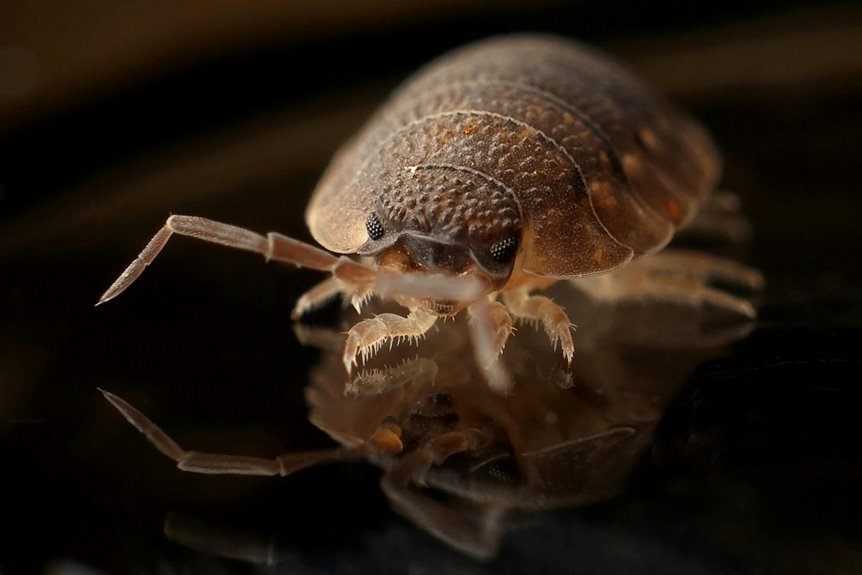

In case bed bugs have turned your sleep into a nightly battle, neem oil can give you a calm, natural place to start. You’ll need to mix it the right way, then target the spots these pests hide most, from mattress seams to tiny cracks in furniture. Next, you’ll see how to make each step safer and more useful, so you don’t waste time or spray in the wrong places.
How Neem Oil Repels Bed Bugs
Neem oil helps turn the tables on bed bugs through using smell, surface residue, and direct contact to make treated areas far less inviting. You can regard it as a quiet guard for your space.
Its strong scent supports scent avoidance, so bed bugs often steer away from fresh-treated seams and cracks. At the same time, its odor can create olfactory masking, which makes it harder for them to find familiar hiding spots.
Whenever you apply it where bugs travel, you help block their path and reduce chances that young nymphs settle in. Because the effect fades, you’ll need to refresh treated spots.
Still, this simple step can help you feel more in control, and that matters whenever your home needs relief.
Mix a Safe Neem Oil Spray
To keep that protective barrier working, you need to mix your spray the right way before you treat any room.
Start with pure, cold-pressed neem oil and add 2 fluid ounces to a gallon of water.
Then pour in 2 fluid ounces of mild soap so the oil blends evenly.
Shake the bottle hard, because the mixture can separate fast.
For storage stability, make only what you’ll use right away, since neem loses strength in water.
This also supports application safety, because a fresh mix is easier to handle and less likely to leave oily spots.
Keep the bottle labeled and out of reach of kids and pets.
Should it sit too long, remix it before use.
That way, you stay ready and confident.
Apply Neem Oil to Bed Bug Hotspots
Grab your spray and head straight for the places bed bugs love most, because that’s where neem oil has the best chance to work. Start with a careful spot inspection of mattress seams, bed frames, baseboards, and cracks near outlets. Then spray lightly but evenly, so the mist reaches the concealed edges they use as a home.
- Focus on tight seams and corners
- Watch for live bugs, dark spots, and shed skins
- Keep contact timing in mind, so the spray touches pests immediately
Move slowly and stay calm. You’re not doing this alone, and each treated hotspot helps your space feel safer. Recheck the same areas every few days, because bed bugs like to regroup. Neem oil works best whenever you meet them where they hide, not where they run.
Use Neem Oil on Bedding and Fabrics
You can help slow bed bugs through treating pillowcases and sheets with neem oil, but use a light mist and let the fabric dry fully before you sleep on it.
You should also mist curtains and upholstery where bugs might hide, since soft folds and seams can protect them from view.
After each use, wash the fabrics you treated so you remove any bugs, eggs, and oil residue that’s still left behind.
Treat Pillowcases And Sheets
On bedding and fabrics, neem oil can help cut off one of bed bugs’ favorite concealing places, but it needs careful use. You can mist pillowcases and sheets lightly after a fabric testing protocol on a concealing corner. Then let them dry fully before you sleep on them. For scent safe storage, keep treated linens in a clean, sealed bag until wash day.
- Mix neem oil with water and a little soap.
- Spray only a fine layer, not a soak.
- Wash and dry bedding on hot cycles after treatment.
This routine helps you feel less alone in the fight, because you’re acting fast and keeping your bed space protected. Treat one load at a time so you stay organized and calm.
Mist Curtains And Upholstery
Curtain folds and upholstered furniture can conceal bed bugs just as easily as a mattress seam, so a careful neem oil mist can help close off those tucked-away spots.
You can mist curtains lightly, then move to sofa arms, chair seams, and tufts where bugs love to slip away.
For better upholstery care, test a small concealed area initially so the fabric stays safe and you feel confident.
Use a fine spray, not a soak, because you want a thin film that bugs will dislike, not wet cushions that stay damp too long.
Keep your focus on edges, corners, and stitching.
Should you treat the room with patience, you give your home a calmer, more protected feel, and that matters when you’re trying to sleep easy again.
Wash Fabrics After Use
Fresh bedding can feel like a small reset, and that matters whenever bed bugs have turned sleep into a stress test. You can use neem oil on sheets, pillowcases, and mattress covers, then wash fabrics after use so the scent and residue don’t build up.
- Spray lightly, not heavily, on washable items.
- Check laundry temperatures before you toss them in.
- Use fabric safe detergents to protect fibers and skin.
After treatment, strip the bed and launder everything you can touch. Hot water helps, but always follow the care label so you don’t ruin your favorite blanket. Then dry on high heat if the fabric allows.
This routine gives you cleaner layers, fewer hiding spots, and a little more peace at bedtime. Whenever you keep it simple, you help your home feel safe again.
Treat Furniture, Cracks, and Crevices
Start near treating the places bed bugs love to hide, because that’s where neem oil can do the most work. Spray it on bed frames, drawer undersides, and sofa seams, then work it into every tight gap where bugs slip away. Use a light mist on wood surfaces, almost like wood polish, so you coat without soaking.
Then focus on joints and corners, because joint reinforcement means you’re protecting the weak spots they use as shelters. Move slowly along cracks, screw holes, and trim edges, and give each spot direct contact. In case a crevice is deep, tilt the nozzle and let the spray reach inside.
Once you treat these concealed spots, you help your room feel safer, calmer, and more under control.
Pair Neem Oil With Diatomaceous Earth
Should you’ve already treated bed frames, seams, and tiny cracks with neem oil, you can boost your results whenever pairing it with food-grade diatomaceous earth. You’re building layered barriers that work in different ways, so bed bugs face more than one obstacle. Neem oil repels and disrupts, while diatomaceous earth dries out bugs that cross treated zones.
- Lightly dust dry baseboards and bed legs
- Keep application timing steady after neem sprays
- Reapply after cleaning or vacuuming
This combo helps you feel more in control, and that matters whenever you’re tired of sharing space with unwelcome guests. Use a thin layer, not piles, so the dust stays effective and doesn’t spread around your room. In keeping both treatments in place, you give your home a stronger, calmer defense.
Use Heat and Steam for Better Results
Heat and steam can give your neem oil plan a much stronger edge, especially provided bugs are hiding deep in seams and tiny cracks.
You can start with steam on mattress edges, bed frames, and baseboards, because high temperature cooperation helps loosen concealed insects before you spray neem oil.
This makes your treatment feel more complete and less frustrating.
Use a slow, careful pass so the heat reaches the spot, then wait for the surface to cool.
After that, apply neem oil with timed application so it can touch any survivors and help guard the area.
You’re not alone in this process.
A steady mix of heat, steam, and neem oil can make your room feel safer, calmer, and more under control.
Repeat Neem Oil Treatments Regularly
Regular reapplication matters because neem oil doesn’t keep working forever, and bed bugs don’t wait politely for your schedule. You need a steady rhythm so your home feels protected and you stay one step ahead together.
- Set schedule alerts every 3 to 4 days.
- Shake fresh spray before each use.
- Try rotating formulations in case one mix feels less effective.
When you repeat treatments, focus on seams, baseboards, and tight cracks where bugs hide. A calm routine helps you cover missed spots and keeps the scent barrier active.
Should life get busy, don’t worry, just reset and continue. The goal is consistency, not perfection. Your space deserves that follow-through, and so do you.
Know When To Call a Pest Professional
You can keep up with neem oil treatments for a while, but there comes a point at which stubborn bed bugs need more than home spraying and crossed fingers.
In case you still see bites, live bugs, or fresh spots after repeated rounds, it’s time to call professionals. That step matters even more with severe infestations, because concealed eggs and deep cracks can keep the cycle going.
A trained team knows the right inspection timing, so they can find where the bugs are nesting before you waste more effort. They also bring stronger tools and treatment guarantees, which can give you real peace of mind.
You’re not giving up. You’re joining the people who’ve decided their home deserves a solid win, not another sleepless guessing game.
Frequently Asked Questions
Can Neem Oil Stain Mattresses or Upholstered Furniture?
Yes, neem oil can stain mattresses or upholstered furniture if you use too much, since it may discolor fabric or react with the finish. Test a hidden area first, then apply a small amount and let it dry completely.
Is Neem Oil Safe to Spray Near Pets and Children?
Yes, when used correctly, neem oil is generally safe around pets and children. Keep them away until it dries, pay close attention to pet safety and child exposure, and make sure the area is well ventilated.
How Long Does Neem Oil Smell Last Indoors?
Neem oil’s odor usually lingers for a few hours to a couple of days indoors. Strong airflow, open windows, or a fan can reduce it more quickly, especially in larger rooms.
Will Neem Oil Work on Bed Bugs in Luggage?
Yes, neem oil can help treat luggage if you spray it directly into seams, folds, and pockets, but it will not solve the problem by itself. Use it with careful travel habits, vacuuming, and heat treatment for a better chance of coming home without bed bugs.
Can Neem Oil Trigger Allergies or Skin Irritation?
Yes, neem oil can cause skin irritation or contact dermatitis, especially if you have sensitive skin. Test a small area first, dilute it correctly, and stop using it if you notice itching, redness, or swelling.
