

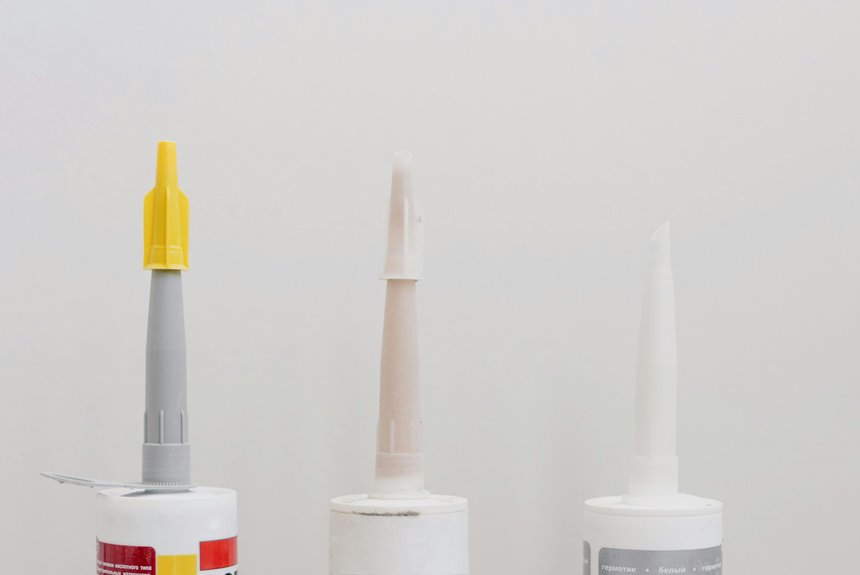

Gorilla Glue can usually be removed from plastic with patience and the right method. Warm soapy water often helps loosen the residue. A plastic scraper can lift softened glue without scratching the surface. Rubbing alcohol can work too, but test it on a small spot before using it widely.
How to Remove Gorilla Glue From Plastic Safely
To remove Gorilla Glue from plastic safely, start with cleaning and drying the area. Then soften the bond with warm soapy water or a damp cloth in case you can’t submerge the item.
You’ll get better results whenever you match removal methods to glue types, because cured polyurethane and super glue react differently. Test a small spot initially to confirm surface compatibility, then use safety precautions that protect both you and the plastic.
Evaluate adhesive properties, because thick buildup needs repeated soaking and gentle wiping, while lighter residue might release faster. Favor clean cloths, controlled pressure, and patient cleaning techniques.
Keep material considerations in mind for soft or brittle plastics. These application tips help you stay methodical, reduce risk, and finish with confidence.
Gather Your Glue Removal Supplies
Before starting to remove Gorilla Glue, gather the materials that match the glue type and the plastic’s tolerance. You’ll need warm water, liquid soap, clean cloths, cotton balls, a plastic scraper, and fine grit sandpaper for controlled mechanical removal.
Keep rubbing alcohol or nail varnish remover nearby for stubborn residue, plus a soft brush for crevices. Should you suspect a super glue variant, include acetone; for original polyurethane glue, prioritize softening and scraping.
Have paper towels ready to lift tacky spots from recent glue application. In case your team prefers safer adhesive alternatives, collect those too for future repairs.
Organize everything within reach so you can work efficiently, reduce hesitation, and keep the process precise. Your setup should support careful, repeatable passes without unnecessary pressure.
Test the Plastic Before You Start
Even a small test spot can prevent major plastic damage, so check the material in an inconspicuous area initially. You’ll confirm plastic durability before you commit to any removal method, and that gives you confidence to move forward with the group’s workflow.
Observe the surface for haze, softening, or color shift after a brief wait, then compare it with an untreated section. Different adhesive types can react differently, so observe whether the glue seems brittle, rubbery, or firmly bonded.
Should the plastic stay stable, you can proceed with greater certainty. Should it react poorly, stop and reassess your approach. This quick analysis helps you protect the part, avoid costly mistakes, and choose a method that fits your material’s limits.
Soften Gorilla Glue With Warm Soapy Water
Fill a container with warm water and a small amount of liquid soap, then soak the glued plastic for about 30 minutes to start weakening the bond.
This soapy water bath reduces surface tension and helps water penetrate the glue bonds more evenly. Keep the plastic fully supported so you don’t flex the joint while it softens.
In case the item can’t submerge, press a damp cloth over the hardened glue and keep it warm and moist.
After soaking, wipe the area with a clean cloth using controlled pressure. Should the adhesive still feel rigid, repeat the cycle and let the soapy water work again.
You’re part of the cleanup process now, and patience gives the plastic the best chance of staying intact.
Remove Stubborn Gorilla Glue With Rubbing Alcohol
You can apply rubbing alcohol sparingly to the glue residue with a cotton ball or cloth, but initially test it on an inconspicuous spot to confirm the plastic won’t soften or discolor.
Let it sit for a few minutes so the solvent can weaken the bond at the surface.
Then wipe the area with controlled pressure, repeating the treatment as needed to lift stubborn residue.
Rubbing Alcohol Application
Rubbing alcohol can help loosen stubborn Gorilla Glue on plastic, especially when you need a solvent that’s less aggressive than acetone. You should test a concealed spot initially, then apply it sparingly with a cotton swab or cloth.
This keeps your surface protected and lets you gauge rubbing alcohol effectiveness before you commit. Let it dwell briefly, then check whether the bond softens enough for safe cleanup.
Should the glue resist, reapply in controlled passes rather than flooding the area. For many plastics, this method works best as part of a broader plan that includes alternative glue removers.
Stay patient, keep pressure light, and avoid aggressive rubbing that could mar the finish. Through working methodically, you stay in control and protect the piece.
Loosening Glue Residue
Once rubbing alcohol has softened the bond, you can use it to lift the remaining Gorilla Glue residue in controlled passes.
Rewet a cotton pad lightly, press it onto the film, then wipe in one direction to avoid spreading the adhesive. Work in small sections and reassess after each pass; thick residue might need several cycles.
Should the glue start to smear, pause and let the alcohol penetrate again. Keep the surface ventilated, and check plastic safety on an inconspicuous spot before continuing.
You’re aiming to reduce buildup without stressing the plastic, so stop when only a thin haze remains. From there, you can switch to mild scraping or adhesive alternatives suited to your material.
Use Acetone Only on Safe Plastics
Acetone can remove some Gorilla Glue residues, but only during the time the plastic can tolerate it. You should verify acetone safety and plastic compatibility before touching the surface, because unsuitable plastics can haze, soften, or crack. Test an obscure spot, wait briefly, and inspect the finish.
| Plastic type | Acetone risk | Action |
|---|---|---|
| Polypropylene | Low | Test initially |
| ABS | Moderate | Use sparingly |
| Polycarbonate | High | Avoid |
Should the test remain unchanged, dampen a cotton swab, not the whole area, and work in small passes. Then clean with soap and water to stop solvent action. Should you be unsure, choose a milder approach so you stay with the group of careful restorers who protect both the part and the result.
Scrape Off Loose Glue Without Scratching
Should the glue have softened but is still clinging to the plastic, lift only the loose edges with a plastic scraper, razor blade, or putty knife held at a shallow angle.
You’ll protect the surface through working in short, controlled strokes and matching your scraping techniques to the glue consistency.
Should the bond feel rubbery, apply more pressure at the edge, not the center. Should it be brittle, let the tool skim under the lifted film and avoid digging.
Keep your other hand braced nearby so you can steady the part and stay in control.
Pause often to inspect the plastic for scuffs, then adjust your angle before continuing.
Whenever you move methodically, you join a careful, skilled approach that removes buildup without creating new damage.
Clean Gorilla Glue Residue From Plastic
To clean Gorilla Glue residue from plastic, initially soften the film with warm soapy water or a targeted solvent, depending on the glue type.
Then you can gently scrape the loosened residue with a plastic scraper or razor blade held at a low angle.
Finish with wiping the surface using a solvent-dampened cloth, then wash it with soap and water to remove any remaining trace.
Soften Glue Residue
Start with softening the residue so it loses its grip on the plastic surface. You’ll get better control whenever you use removal techniques that reduce bond strength before any further action.
Apply warm soapy water to the area, or hold a damp cloth on the glue in case you can’t soak the part. Let it sit until the residue turns pliable, then reapply as needed; multiple passes often work better than force.
In case soap isn’t enough, test rubbing alcohol or nail varnish remover on a concealed spot initially, then use it sparingly.
For stubborn spots, consider glue alternatives like a solvent-safe cleaner suited to your plastic type.
Stay patient, because careful softening helps your group protect the surface and keeps your next step efficient and predictable.
Gently Scrape Residue
Once the glue has softened, lift it away with a razor blade, putty knife, or plastic scraper held at a low angle to the surface. You control the cut utilizing short, deliberate strokes, not force, so you protect the plastic and stay aligned with proven scraping techniques.
Keep the blade moving in one direction, and stop once resistance rises; that usually means you’ve reached intact material.
- Work in thin layers so you can track progress and avoid gouges.
- Reposition the tool often to maintain even pressure and edge contact.
- Inspect the area after each pass; clean removal builds confidence and supports adhesive alternatives later.
If residue remains, repeat the pass rather than digging deeper. Your patience keeps the finish clean and helps the whole group succeed collectively.
Wipe With Solvent
Should scraping leave a thin film behind, test a small concealed spot with rubbing alcohol or nail varnish remover before you treat the visible area.
You’ll compare solvent effectiveness quickly, because plastic formulations vary and glue types respond differently.
Moisten a cotton ball or microfiber cloth, then wipe only the residue, not the surrounding surface. Let the liquid sit for one to three minutes so it can penetrate the film.
Should the bond softens, lift it with steady pressure and replace the cloth as it loads up. Use acetone only on resistant super glue variants, and avoid flooding the plastic.
Afterward, wash the area with soap and water to stop further action and restore a clean finish.
Remove Gorilla Glue From Plastic Lenses
Whenever Gorilla Glue gets onto plastic lenses, you need a careful, low-abrasion approach because these surfaces scratch easily and solvents can cloud them.
Start with lens cleaning: rinse with warm water and a drop of liquid soap, then hold a damp cloth on the bond for 10 to 15 minutes. Should the glue stay firm, test a tiny concealed spot with rubbing alcohol, then wipe only the softened edge.
- Work in small passes to protect optical clarity.
- Stop should the lens hazes or the coating lifts.
- Choose adhesive alternatives later, so you’re not repeating this repair.
Never scrape aggressively; you can help your group preserve the lens using patience and clean cloths.
Repeat only as needed, and finish by washing and drying thoroughly.
Remove Gorilla Glue From Flexible Plastic
Flexible plastic requires a gentler removal strategy because bending pressure can crack the surface or spread the adhesive.
You should stabilize the piece, clean away loose debris, and soften the glue with warm soapy water initially.
Should the bond persist, test a small concealed area with rubbing alcohol or nail varnish remover, then apply it sparingly with a cotton swab.
For cured Gorilla Glue on flexible plastic, expect limited chemical effect; you’ll often need controlled mechanical lifting with a plastic scraper or dull blade.
Work in short passes, keeping the surface supported.
After removal, wash the area with soap and water.
Whenever possible, choose glue alternatives designed for flexible plastic, so you and your gear stay protected and aligned.
Repair Scratches and Cloudiness After Removal
After you remove the glue, you could notice fine scratches, haze, or a cloudy film on the plastic surface. You can correct this with a controlled scratches repair and cloudiness treatment process that respects the plastic’s finish and keeps you in the clear.
- Clean the area with mild soap and water, then dry it fully so residue doesn’t mask defects.
- Polish lightly with a plastic-safe compound and a soft microfiber pad, using short, even passes.
- Should haze remain, step up to finer polish, then buff until the reflection looks uniform.
You should stop as soon as the surface levels out. Overworking the plastic can deepen marks or increase opacity.
Should the damage stay visible, you could need a specialty restorer matched to your plastic type.
Prevent Gorilla Glue Mishaps on Plastic
To prevent Gorilla Glue mishaps on plastic, you should prep the surface prior to any bonding work and verify that the adhesive is actually suitable for the material.
Clean, dry, and lightly roughen compatible plastics, then test a tiny concealed area initially. Use preventative measures such as masking adjacent zones, controlling bead size, and clamping only where needed.
Should the joint demand flexibility or easy reversibility, choose adhesive alternatives engineered for plastic instead of polyurethane glue. You’ll reduce squeeze-out and surface haze through careful measuring and applying only the minimum amount required.
Keep solvents, scrapers, and soft cloths nearby so you can correct mistakes immediately. As you work methodically, you protect the part, save time, and stay confident with the rest of your repair crew.
Frequently Asked Questions
Can Gorilla Glue Be Removed From Painted Plastic?
Yes, you can remove Gorilla Glue from painted plastic, but you need to work carefully. Test any solvent on a small hidden area first, use a soft scraper, and avoid damaging the paint. For tougher residue, let the glue soften gradually and remove it with patience.
How Long Does Cured Gorilla Glue Take to Soften?
Cured Gorilla Glue usually does not soften fast. Expect to treat it repeatedly for 30 minutes to several hours. Because its moisture resistance is strong, use gentle methods and keep applying them patiently.
Will Vinegar Help Remove Gorilla Glue From Plastic?
No, vinegar will not reliably remove Gorilla Glue from plastic because it is weak against cured polyurethane. You will get better results with soapy water, rubbing alcohol, or careful scraping after testing a small hidden area first.
Can I Remove Gorilla Glue From Plastic Without Any Chemicals?
Yes, you can, though it is slow. About 75 to 90% of the buildup can come off mechanically. Use gentle scraping, sanding, or picking, while protecting the plastic.
Does Freezing Plastic Help Break Gorilla Glue Bonds?
No. Freezing rarely breaks Gorilla Glue bonds on plastic. It may make leftover glue more brittle and easier to scrape, but the bond itself usually stays intact. You will still need to remove it by hand or test a safe solvent first.
