

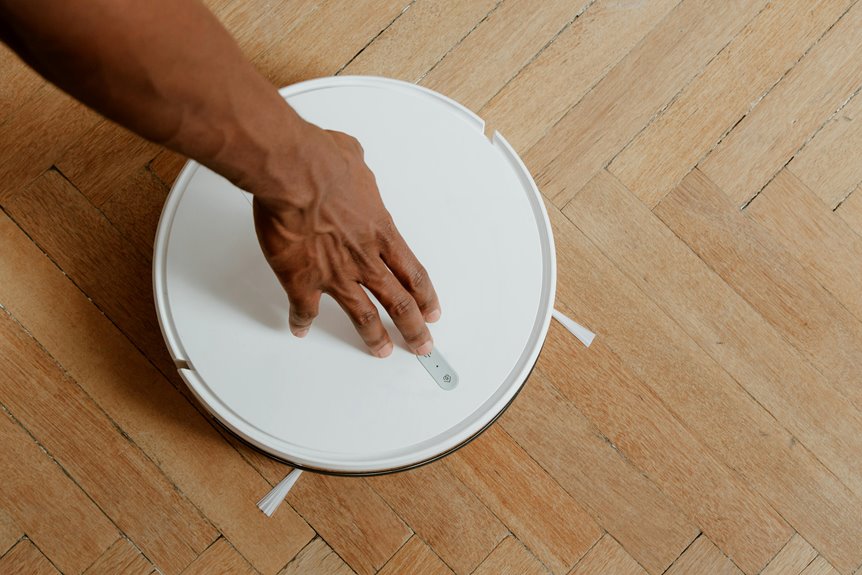

Can you really clean old hardwood floors without risking the finish? Yes, but only provided you treat them like something worth saving. You’ll want the right tools, a gentle sweep, and a barely damp mop, because too much water can lift the wood and dull the shine. The tricky part is understanding what cleaner to trust, how to handle stuck-on grime, and how to keep the floor safe after it’s clean.
What You Need to Clean Old Hardwood Floors
Before you start cleaning old hardwood floors, gather the right tools so you can protect the wood and make the job much easier.
You’ll want a soft-bristle broom or a vacuum with a hardwood setting, plus a microfiber mop head and a spray bottle for pH-neutral cleaner.
Keep a wrung-out cloth nearby for quick wipeups, and skip beater bars that can scratch.
In case your floor is part of a historic restoration, do finish testing initially on a concealed spot so you know how the surface reacts.
For older floors, especially unsealed ones, use as little moisture as possible.
A few simple supplies help you clean with care, stay confident, and treat your floor like it belongs in your home, because it does.
How to Sweep Old Hardwood Floors Safely
Now that you’ve got the right tools in hand, you can sweep old hardwood floors in a way that protects the wood and lifts out grit without making more work for yourself. Start with a soft broom and use light strokes that follow the boards. Then turn to a corner brush for tight spots where dust likes to hide. Should you move slowly, you’ll catch more grit and avoid scraping the finish.
| Step | What you do |
|---|---|
| 1 | Clear loose debris |
| 2 | Sweep with the grain |
| 3 | Use a corner brush |
| 4 | Lift dust gently |
| 5 | Check edges again |
Keep the pressure easy, and let the bristles do the work. That way, your floor stays cared for, and you stay in control too.
How to Clean Old Hardwood Floors
Cleaning old hardwood floors takes a gentle hand, but it doesn’t have to feel risky or fussy. You can start by wiping away dust with a slightly damp microfiber cloth, then use a pH-neutral cleaner on the driest spots. Work in small sections, and let each pass stay light, so the wood never feels soaked.
Should you’re caring for antique restoration projects, check the finish initially, because wax, shellac, and varnish all ask for different care. For older homes, humidity monitoring helps you protect the boards while you clean. After that, blot stubborn marks with a wrung cloth and dry the area right away.
With a calm routine, you keep the floor warm, clean, and ready for everyday life, without making your house feel like a lab.
What Cleaner and Mop to Use?
The right cleaner and mop can make old hardwood feel cared for instead of stressed out. You’ll fit right in whenever you keep it simple: choose eco friendly solutions, a pH-neutral spray, and a microfiber mop that won’t soak the boards.
Dust attracting mopheads help you lift loose grit fast, so you’re not chasing it around.
- Pick a cleaner made for hardwood, not a harsh all-purpose mix.
- Spray lightly, then wipe with a wrung-out mop.
- Mop with the grain so the floor stays calm and even.
Should your home have older boards, less water is your friend. You don’t need fancy gear, just the right tools and a gentle touch.
How to Remove Stubborn Dirt and Grime
Whenever dirt and grime cling to old hardwood, you don’t need harsh scrubbing to get results.
Start with gentle pressure and a soft cloth or microfiber mop, so you lift the mess without wearing down the finish.
For tougher residue, use a little cleaner and slow, careful passes until the spot lets go.
Gentle Scrubbing Methods
Gently work on the spots that still cling to your old hardwood floors, because stubborn dirt usually needs a little patience, not a lot of force.
You can keep the room feeling warm and cared for whenever you scrub with a soft microfiber cloth or pad, using small circles and light pressure.
Should one area needs a touch more help, try these simple steps:
- Dampen the cloth, then wring it almost dry.
- Rub the grain, not against it.
- Finish with microfiber buffing so the wood looks calm and even.
Should the floor still feels tired, a light oil refresher can bring back a soft glow without making the surface wet.
You’re not fixing flaws alone. You’re giving your floor the steady care it deserves.
Tackling Stubborn Residue
Stubborn residue can sneak up on you, but you can usually lift it without hurting your old hardwood floors. First, soften the spot with a damp microfiber cloth and a few drops of pH-neutral cleaner. Then, rub gently in the board direction so you don’t spread grit around.
In case you’re facing adhesive residue, try a tiny bit of mineral spirits on a cloth, then wipe clean right away. For paint removal, use a plastic scraper and light pressure, never metal. Next, follow with a dry cloth to catch leftover moisture.
Should the grime still clings, repeat the process patiently. You’re not fighting the floor; you’re coaching it back to clean, one careful pass at a time.
How to Dry and Protect the Floor Finish
Dry the floor fast and protect the finish so your hard work lasts. After cleaning, use air drying first, then follow with a soft cloth so moisture doesn’t sit and dull the sheen.
You’re not just drying wood; you’re guarding the layer that keeps the floor looking cared for and safe underfoot. For better finish sealing, keep the room open and let gentle airflow do the job.
- Wipe puddles right away with a clean microfiber towel.
- Open windows or run a fan to speed drying without harsh heat.
- Check corners and board edges, since water hides there.
If your floor has a wax, shellac, or varnish coat, stay patient and avoid soaking it. A dry, even surface helps your finish stay smooth, warm, and ready for the next step.
How to Maintain Old Hardwood Floors
You can keep old hardwood floors looking their best through dusting them often so grit doesn’t scratch the finish.
Then use gentle cleaning methods with a lightly damp microfiber mop and a pH-neutral cleaner so you remove dirt without soaking the wood.
Whenever you protect the finish with quick cleanup and careful moisture control, your floors stay beautiful for much longer.
Regular Dusting Routine
Regular dusting is the easiest way to keep old hardwood floors looking cared for, and it saves you from bigger cleaning headaches later.
Whenever you stay on top of weekly dusting, you help your home feel warm and welcoming, not dusty and forgotten.
Use hallway brushing to catch grit where feet track it in most.
- Sweep along boards with a soft broom.
- Dust corners, edges, and under chairs.
- Move room to room so dirt doesn’t spread.
You don’t need a fancy routine, just a steady one that fits your life.
A few quiet minutes each week can make your floors look loved and lived in.
That small habit also helps you feel proud whenever guests walk in and notice the shine.
Gentle Cleaning Methods
Once the dust is gone, old hardwood floors need a gentle touch so they stay strong and beautiful. You can keep them happy with a soft microfiber mop and light passes that follow the boards. That’s where microfiber maintenance really matters, because a clean pad lifts grit instead of pushing it around.
For deeper refreshes, use soap alternatives like a pH-neutral floor cleaner or a mild vinegar mix, but keep the cloth barely damp. Should you spot a scuff, rub it softly with a clean sock or damp sponge. Then dry the spot right away so the wood feels cared for, not soaked.
Whenever you clean this way, you protect the floor and keep your home feeling warm and welcoming.
Protecting Floor Finish
At this stage, protecting the finish matters just as much as cleaning the wood itself. You’re not just keeping floors pretty; you’re building finish preservation that helps the room feel cared for and lived in.
- Place felt pads under chairs and tables so daily movement doesn’t grind away the surface.
- Use rugs in busy spots, because wear barriers catch grit before it scratches the coat.
- Wipe spills fast and keep water light, since moisture can sneak under weak spots.
When you vacuum, choose a hardwood setting and skip beater bars. Then use a damp microfiber mop, not a soaked one. That small habit protects old boards and keeps your home feeling warm, safe, and welcoming.
Frequently Asked Questions
How Do I Clean Old Hardwood Floors Without Damaging Unsealed Boards?
Sweep first with a natural bristle broom, then use a microfiber mop lightly dampened with distilled water and a pH neutral cleaner. This approach protects unsealed wood, prevents oversaturation, and keeps the floor looking well maintained.
Can I Use Vinegar on Antique Hardwood Floors With Wax Finish?
No, vinegar is not a good choice for antique hardwood floors with a wax finish because it can strip the wax and leave the surface looking flat. Use a cleaner made for waxed wood or a mild vinegar free alternative, and always test it in a hidden area first. This helps keep the floor’s rich shine intact.
How Often Should Old Hardwood Floors Be Deep Cleaned?
Deep clean old hardwood floors every three months, and increase the frequency in high traffic areas if your home sees heavy use. This helps preserve their appearance and supports the wood’s finish over time.
What Should I Do With Light Scuff Marks on Hardwood Floors?
Buff light scuff marks with a sock or a clean tennis ball, then use touch up markers and buffing pads on tougher spots. This keeps hardwood floors looking neat and maintained.
When Should Old Hardwood Floors Be Refinished Instead of Cleaned?
Refinish old hardwood floors when cleaning no longer improves their condition, especially if you notice finish failure, deep scratches, cupping, or structural damage. This restores both protection and appearance, and makes the home look well maintained.
