


You do not need to guess when choosing pool shock in 2026 because the best option depends on your sanitizer, water issues, and how fast you want results. Some products clear cloudy water and odors, while others target algae or work better with salt systems. Choosing the wrong one can waste time and throw off your water balance. Here is how the top seven compare, and one may fit your pool better than you expect.
| HTH Spa Non-Chlorine Shock Oxidizer for Hot Tubs | 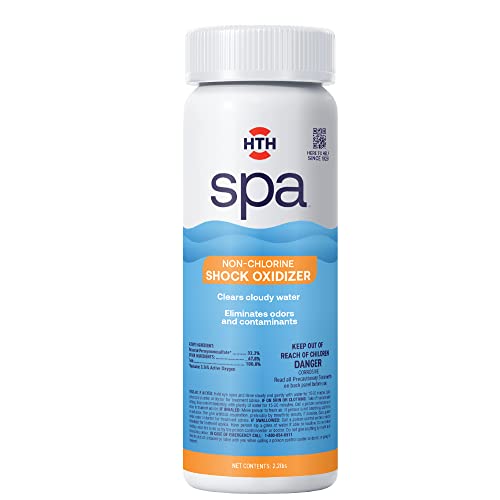 | Best for Hot Tubs | Shock Type: Non-chlorine oxidizer | Form: Powder | Chlorine Level: Chlorine-free | VIEW LATEST PRICE | Read Our Analysis |
| E-z Pool 5# Bucket |  | Best for Algae Control | Shock Type: Copper sulfate treatment | Form: Bucket powder | Chlorine Level: Chlorine-based | VIEW LATEST PRICE | Read Our Analysis |
| DryTec 1-1901 Calcium Hypochlorite Pool Shock 1-Pound |  | Best Budget Pick | Shock Type: Cal hypo shock | Form: Granular | Chlorine Level: 68% cal hypo | VIEW LATEST PRICE | Read Our Analysis |
| HTH Pool Care Salt Shock Chlorinator Packets |  | Best for Salt Pools | Shock Type: Stabilized chlorinator | Form: Granular packets | Chlorine Level: 56% available chlorine | VIEW LATEST PRICE | Read Our Analysis |
| Poolife Turbo Shock Calcium Hypochlorite Pool Shock |  | Best All-Around | Shock Type: Cal hypo shock | Form: Granules | Chlorine Level: 78% cal hypo | VIEW LATEST PRICE | Read Our Analysis |
| POOL SHARK Calcium Hypochlorite Pool Shock Granules 50 lb | 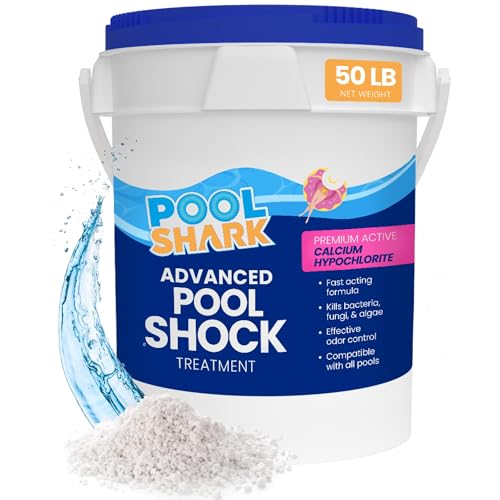 | Heavy-Duty Pick | Shock Type: Cal hypo shock | Form: Granular | Chlorine Level: 68% cal hypo | VIEW LATEST PRICE | Read Our Analysis |
| Poolife Turbo Shock Calcium Hypochlorite Pool Shock | 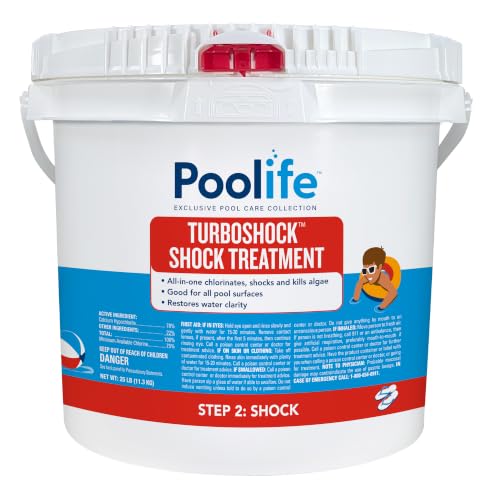 | Best Premium Pick | Shock Type: Cal hypo shock | Form: Granules | Chlorine Level: 78% cal hypo | VIEW LATEST PRICE | Read Our Analysis |
More Details on Our Top Picks
HTH Spa Non-Chlorine Shock Oxidizer for Hot Tubs
When you want a non-chlorine way to keep your spa or hot tub water clear and fresh, HTH Spa 86135 Non-Chlorine Shock Oxidizer is a strong choice. You can use this HTH Spa powder to clear cloudy water, reduce odors, and help control ammonia, chloramines, and other contaminants. It works with most spas and with bromine or chlorine systems, so you do not have to change your setup. Each 2.25-pound container provides a practical non-chlorine shock option for regular maintenance. Made by Innovative Water Care, it helps keep your water clean, balanced, and ready to enjoy.
- Shock Type:Non-chlorine oxidizer
- Form:Powder
- Chlorine Level:Chlorine-free
- Package Size:2.25 lbs
- Pool Compatibility:Spas/hot tubs
- Key Benefit:Clears cloudy water
- Additional Feature:Reduces chloramines
- Additional Feature:Odor-causing ammonia reduction
- Additional Feature:Works with bromine
E-z Pool 5# Bucket
The E-z Pool 5# Bucket is a strong choice when you want a more hands-off way to keep your water balanced, clear, and comfortable. You can rely on it to help keep pH between 7.2 and 7.6 while supporting overall water balance. Its copper sulfate helps fight algae and targets over 20,000 strains. The formula also oxidizes cosmetics, lotions, and oils, while the clarifier gathers fine particles for clearer water. It helps prevent stains, scale, cloudy water, and white flakes. You will also notice softer water, less itching, and less bleaching on your liner and swim gear.
- Shock Type:Copper sulfate treatment
- Form:Bucket powder
- Chlorine Level:Chlorine-based
- Package Size:5 lb bucket
- Pool Compatibility:Pools
- Key Benefit:Clarifies water
- Additional Feature:Automatically balances pH
- Additional Feature:Copper sulfate algae control
- Additional Feature:Inhibits stain and scale
DryTec 1-1901 Calcium Hypochlorite Pool Shock 1-Pound
DryTec 1-1901 Calcium Hypochlorite Pool Shock is a smart choice when you want a simple, fast acting 1-pound granular shock for routine pool care or problem water. It contains 68% calcium hypochlorite, and one bag treats 10,000 gallons with 5 to 10 ppm available chlorine. It helps kill bacteria, control algae, and keep water sanitized. For best results, keep pH between 7.2 and 7.6, then broadcast it evenly at night with the pump running. Brush any settled granules, test chlorine, and do not swim until levels return to 1 to 4 ppm.
- Shock Type:Cal hypo shock
- Form:Granular
- Chlorine Level:68% cal hypo
- Package Size:1 lb
- Pool Compatibility:Pools
- Key Benefit:Sanitizes water
- Additional Feature:68% calcium hypochlorite
- Additional Feature:Evening application recommended
- Additional Feature:Superchlorination every 7 days
HTH Pool Care Salt Shock Chlorinator Packets
HTH Pool Care Salt Shock Chlorinator Packets are a smart choice if you own a saltwater pool and want a fast, easy weekly shock treatment that will not damage your generator. It uses a stabilized, dichlor-based formula with 56% available chlorine, so you can clear contaminants and algae quickly. It dissolves fast, helps keep water crystal clear, and does not change your pool’s pH. Each 12-ounce packet treats 10,000 gallons, and the five-count pack is ideal for routine care. You can use it on any pool surface, and it works best with salt chlorine generators.
- Shock Type:Stabilized chlorinator
- Form:Granular packets
- Chlorine Level:56% available chlorine
- Package Size:5 packets
- Pool Compatibility:Saltwater pools
- Key Benefit:Prevents cloudiness
- Additional Feature:Salt generator friendly
- Additional Feature:Does not affect pH
- Additional Feature:Twice-weekly testing recommendation
Poolife Turbo Shock Calcium Hypochlorite Pool Shock
Poolife Turbo Shock Calcium Hypochlorite Pool Shock is a strong choice if you want fast, straightforward water care that clears cloudy water, fights algae, and helps keep your pool balanced. It contains 78% calcium hypochlorite in strong granules that act fast, dissolve quickly, and do not need pre-mixing. That makes upkeep easier and helps improve water clarity sooner. It can be used in vinyl, plaster, fiberglass, and saltwater pools. It supports chlorination, oxidation, and algae control while helping prevent common water problems. Because it does not add cyanuric acid, you can avoid chlorine lock and help keep water stable.
- Shock Type:Cal hypo shock
- Form:Granules
- Chlorine Level:78% cal hypo
- Package Size:25 lb
- Pool Compatibility:All pool surfaces
- Key Benefit:Kills algae/bacteria
- Additional Feature:No cyanuric acid
- Additional Feature:Safe for saltwater pools
- Additional Feature:Helps avoid chlorine lock
POOL SHARK Calcium Hypochlorite Pool Shock Granules 50 lb
If you need a fast acting pool shock that tackles algae, bacteria, and cloudy water, POOL SHARK 68% Calcium Hypochlorite Pool Shock Granules are a strong fit. You get a fast dissolving, non stabilized cal hypo formula that raises chlorine levels quickly, helps prevent chlorine lock, and reduces odor. Use it to fight green, yellow, and black algae after heavy use or rain, then watch filtration improve as water clears. The 50 lb bucket gives you plenty for routine maintenance, pool openings, inground or above ground pools, saltwater pools, spas, and hot tubs.
- Shock Type:Cal hypo shock
- Form:Granular
- Chlorine Level:68% cal hypo
- Package Size:50 lb bucket
- Pool Compatibility:Pools/spas/hot tubs
- Key Benefit:Fast water recovery
- Additional Feature:50 lb bucket
- Additional Feature:Reduces chlorine odor
- Additional Feature:Heavy algae treatment support
Poolife Turbo Shock Calcium Hypochlorite Pool Shock
Need a fast, no-fuss shock that tackles algae, bacteria, and cloudy water? Poolife Turbo Shock delivers 78% calcium hypochlorite in fast-dissolving granules, so you can treat your pool without pre-mixing or pre-dissolving. You get quick oxidation, chlorination, and algae control that helps prevent up to 90% of common water issues. Use 1 lb per 10,000 gallons weekly for steady results. It is safe for vinyl, plaster, and fiberglass pools, including inground, above-ground, traditional, and saltwater systems. With no cyanuric acid added, it helps you avoid chlorine lock and reduces stabilizer needs too.
- Shock Type:Cal hypo shock
- Form:Granules
- Chlorine Level:78% cal hypo
- Package Size:25 lb bag
- Pool Compatibility:Vinyl/plaster/fiberglass
- Key Benefit:Kills algae/bacteria
- Additional Feature:No cyanuric acid
- Additional Feature:Safe for saltwater pools
- Additional Feature:Helps avoid chlorine lock
Factors to Consider When Choosing Shock Treatment for Pools
Whenever you choose a pool shock, make sure it matches your pool type and will not harm the surface. Check the chlorine strength, how it affects water balance, and how quickly it dissolves. The right option helps you clean the water safely and efficiently.
Shock Type Compatibility
Shock type matters because the right product should match your pool’s sanitizer system, whether you use chlorine, saltwater, or a setup that works with both. You’ll also want to check whether the formula is stabilized or non-stabilized, since that changes how it fits your routine. Look at the active ingredient too, because products based on calcium hypochlorite or dichlor behave differently, so the label should match your pool’s needs. Surface compatibility matters as well, because some shocks work on vinyl, plaster, fiberglass, or all surfaces, while others do not. If you use a salt chlorine generator or maintain a spa, choose a shock specifically approved for that system. That way, you reduce the risk of damage and keep your water care simple, safe, and effective.
Chlorine Strength Levels
Chlorine strength levels matter because they tell you how much sanitizing power a shock treatment can deliver. Most pool shocks fall between 56% and 78% available chlorine, and that range affects how quickly you can clear water. A 56% dichlor shock gives you a lower strength, stabilized option that still handles contaminants and algae well for routine use. If you need more power, a 68% calcium hypochlorite shock can add about 5 to 10 ppm of available chlorine when you use one bag per 10,000 gallons. For fast algae, bacteria, or cloudy water treatment, a 78% cal hypo product works harder. Also, check whether the shock is stabilized or non stabilized, since cal hypo will not add cyanuric acid, while stabilized shock often suits saltwater systems better.
Pool Surface Safety
Pool surfaces can be surprisingly picky, so you’ll want a shock treatment that is clearly safe for vinyl, plaster, and fiberglass to help prevent etching, fading, or other damage. Check that the label says it is compatible with salt systems if you run a saltwater pool. That helps you avoid products that could interfere with salt chlorine generators or other automatic chlorination equipment. Make sure the shock is intended for pools, not just spas or hot tubs, because material compatibility can vary. Follow the application directions closely. Fast-dissolving granules or packets usually spread more evenly and reduce the chance that undissolved product sits on the floor and marks the surface. Choose carefully, and you will protect your pool’s finish longer.
Water Balance Impact
Even when a shock is safe for your pool surface, it can still affect water chemistry in different ways. Check how it changes pH, since some shocks stay neutral while others work best when your water is already between 7.2 and 7.6. Also, see whether it adds cyanuric acid. Non-stabilized options help prevent stabilizer buildup and reduce the chance of chlorine lock. For steady balance, choose a product that supports total alkalinity in the 60 to 120 ppm range and calcium hardness above 200 ppm. If you use a saltwater or chlorine system, make sure the shock fits your setup. Because frequent use can shift chemistry, test and adjust pH, chlorine, alkalinity, and hardness after treatment to keep your water stable.
Dissolving Speed
When you need quick results, choose a shock that dissolves fast so it spreads through the water sooner and lets your filtration and circulation start working right away. You will usually get faster distribution from granular or powder formulas than from large tablets or slow-release products, so they are a smarter choice when you want prompt treatment. Fast-dissolving shock can mix in with one application step, which helps lower the risk of undissolved material settling on the pool floor. If you are dealing with heavy use, rain, or visible debris, a product that breaks down quickly can help you restore clarity sooner. Slow-dissolving options work more gradually, so they are less convenient when you need rapid cleanup and even circulation throughout the pool.
Algae And Contaminant Control
Beyond how quickly a shock dissolves, you also want one that tackles the contaminants causing the problem in the first place. Choose a formula that fights algae and common debris, so you can clear bacteria, cloudy water, and other organic buildup at the same time. Look for fast oxidation and sanitizing action because it helps burn off oils, lotions, cosmetics, and other residue that dulls your water. If your pool struggles after heavy use or rain, pick a shock with strong active chlorine or a proven oxidizer to boost sanitizer levels fast. Once stain and scale issues show up, use a product that also controls suspended particles and helps prevent white flake or haze. Regular shocking keeps contaminants in check.
Frequently Asked Questions
How Often Should I Shock My Pool During Peak Swimming Season?
You should shock your pool every week during peak swimming season, and sooner after heavy use, rain, or contamination. Test the water regularly, follow the product directions, and do not overdo it to keep swimmers safe.
Can I Swim Immediately After Shocking the Pool?
No, you shouldn’t swim immediately after shocking the pool. Wait until chlorine levels drop to a safe range and the shock has fully dissolved before getting in.
What’s the Difference Between Chlorine and Non-Chlorine Shock?
Chlorine shock kills algae and bacteria, raises chlorine levels, and can temporarily cloud the water. Non-chlorine shock oxidizes contaminants, works faster when you want to swim sooner, and does not add sanitizer. Choose the type based on your cleanup needs.
Does Pool Shock Work in Cold Water?
Yes, you can shock a pool in cold water, but the results will be slower. Run the circulation system longer and test the water afterward, because lower temperatures reduce sanitizer activity and can delay cleanup.
How Do I Store Shock Treatment Safely at Home?
Store shock treatment in its original container, tightly sealed, in a cool, dry, well-ventilated place away from children, pets, sunlight, and anything combustible. Do not mix it with other chemicals, and keep it off the floor.
