


A pressure washer earns its place when it can handle the mess you actually face, whether that’s a muddy driveway, a dirty car, weathered siding, or moss-covered concrete. Portable models trade some power for easier storage, while gas-powered machines offer stronger output for large properties and remote work areas. The right choice depends on your surfaces, available power, and how often you clean.
The Lineup, Simplified

IvyBess 4200PSI 4GPM Gas Pressure Washer with 25-Foot Hose

IvyBess 4200PSI 4GPM Gas Pressure Washer with Copper Pump

Kärcher K 3000 E Pressure Washer

Toyqqeow 5000PSI Electric Pressure Washer

Westinghouse ePX3050 2100 PSI Pressure Washer
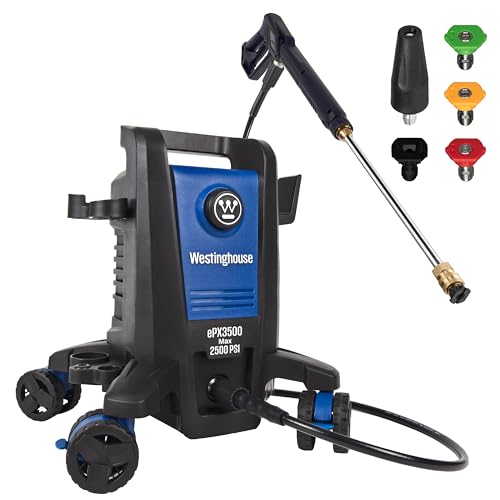
Westinghouse ePX3500 2500 PSI Pressure Washer with Steel Wand

Westinghouse WPX3200e 3200 PSI Electric Pressure Washer with Soap Tank
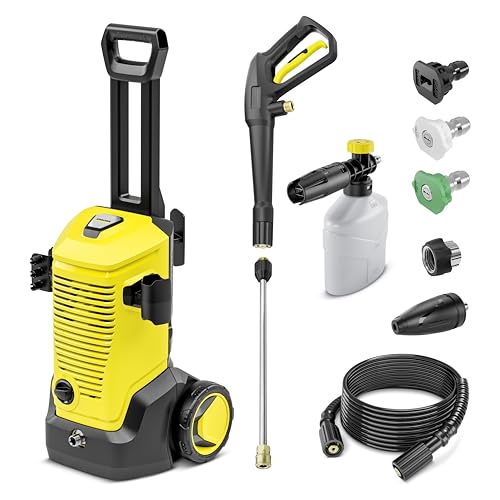
Kärcher K 5 FC 2000 PSI Electric Pressure Washer with Foam Cannon
What Each Pick Brings To The Table
The IvyBess 4200PSI 4GPM Gas Pressure Washer suits a large property where a driveway, fence, vehicle, and concrete deck may all need attention in one session. Its gas engine removes the need for a power cord, while the 25-foot hose gives you room to work around parked vehicles and outdoor structures.
Pressure and water flow work together in cleaning. PSI measures force at the nozzle, while GPM measures how much water arrives each minute, and this model pairs 4,200 PSI with 4 GPM for demanding residential tasks. You gain substantial output, but the engine, fuel, and nine-inch wheels make this less convenient for compact storage.
Notable Gains
- The 4,200 PSI maximum supports focused removal of embedded dirt, moss, and debris from hard outdoor surfaces.
- Four gallons per minute helps carry cleaning power across wider areas without constantly repositioning the nozzle.
- Five quick-connect nozzles let you balance concentrated force with broader rinsing patterns.
- The 25-foot hose reaches around vehicles, fences, and other large obstacles.
- A trigger safety lock helps prevent accidental operation while the machine is unattended.
Practical Considerations
- Gasoline-powered operation requires fuel, engine oil, and more regular mechanical upkeep than an electric model.
- Its size and nine-inch wheels make outdoor mobility easier, but you still need adequate storage space.
Quick Facts
Built With In Mind
This model makes sense for homeowners with broad outdoor cleaning needs and enough storage space for a gas-powered machine.
Another Choice May Suit
The Kärcher K 3000 E fits you better when quiet operation and electric convenience matter more than cordless cleaning.
The second IvyBess expands the outdoor working range with a 25-foot hose, ten-inch pneumatic wheels, and a 3.6-liter fuel tank. That package works well for contractors, property managers, or homeowners cleaning away from an electrical outlet. You can cover a long driveway without repeatedly moving the machine.
Its 4,200 PSI and 4.0 GPM output matches the first IvyBess, but the dual soap tanks add more detergent flexibility. A standard quick-connect wand also accepts compatible surface-cleaning and vehicle-cleaning accessories. The catch is a larger setup than the more compact electric choices.
Where It Excels
- Four thousand two hundred PSI targets packed mud, moss, and stubborn marks on hard surfaces.
- The 3.6-liter fuel tank supports longer outdoor sessions away from power access.
- Ten-inch wheels make uneven ground and muddy job sites easier to navigate.
- Two three-liter soap tanks offer greater detergent capacity for large cleaning runs.
- Five spray patterns cover concentrated work through broad vehicle and garden rinsing.
Things To Consider
- Fuel, oil, and engine upkeep add more responsibility than electric operation.
- The steel frame, large fuel capacity, and dual tanks make storage space a practical concern.
- Detergent use requires compatible cleaner and careful nozzle selection for each surface.
Feature Rundown
Who It Suits Best
You will appreciate this model most during frequent, extended cleaning away from an electrical outlet.
Reach For A Different Pick When
The Kärcher K 3000 E is a better fit for residential users who prefer a quieter electric machine.
The Kärcher K 3000 E brings electric convenience to demanding outdoor jobs without dropping below 3,000 PSI. You can clean concrete, masonry, and walkways near a household outlet, then put the machine away without dealing with a gasoline engine. It is especially useful for shared spaces where engine noise would be disruptive.
Its induction motor is built around a slower, cooler-running design than a universal motor, which helps create the quieter operating experience. A 35-foot flexible hose adds generous reach, while five nozzles and a 0.8-gallon onboard soap tank cover both rinsing and detergent application.
Points In Its Favor
- Three thousand PSI provides useful force for weathered concrete, moss, and accumulated grime.
- The induction motor supports quieter operation and steady pressure during routine maintenance.
- The 35-foot hose reaches around large structures without moving the unit constantly.
Small Caveats
- Electric operation requires a suitable outlet and access to a household water supply.
- A longer hose improves reach but takes additional space to coil and store.
Feature Snapshot
The Right Fit
This model suits frequent residential users who value quiet electric power and have a convenient outdoor outlet.
Look Elsewhere When
The Westinghouse WPX3200e makes more sense for a higher-pressure electric cleaning session.
A concrete slab covered with years of compacted dirt gives the Toyqqeow 5000PSI Electric Pressure Washer its clearest use case. The 5,000 PSI maximum supplies intense pressure for stubborn buildup, while 4.0 GPM provides enough water movement to treat wide sections. You get electric convenience without dropping to a low-output patio washer.
That headline pressure deserves careful handling around vehicles, painted siding, and other surfaces that can mark under concentrated force. Starting with a wider spray and adjusting your distance gives you more control. Compared with the two gas-powered IvyBess models, this machine keeps your work tied to an electrical outlet.
Everyday Perks
- The 5,000 PSI maximum offers substantial force for embedded dirt and stubborn outdoor buildup.
- Four GPM supports productive rinsing across decks, yards, driveways, and vehicles.
Points To Note
- High pressure calls for deliberate nozzle and distance control on paint, vehicles, and siding.
- You need access to both water and electrical power during use.
- Unlike the gas-powered models, you cannot continue working in remote areas without an outlet.
Made For
You will find this model most useful for stubborn concrete and driveway cleaning near a dependable power source.
Consider Something Else When
The Westinghouse ePX3050 offers a more moderate starting point for routine car and patio washing.
The Westinghouse ePX3050 is built for recurring household jobs that need more force than a light rinse but not the full output of a commercial gas machine. You can handle cars, fences, patios, and driveway sections with 2,100 maximum PSI. The 1.76 GPM maximum flow gives you enough movement for practical surface cleaning.
An AC 120-volt motor and an axial cam pump form a straightforward electric setup, while the included foam cannon helps distribute cleaner over vehicles. The pump’s auto-stop function shuts off the motor when the trigger is released, which supports convenient intermittent use during a detailing session.
A Few Strong Suits
- The 2,100 PSI maximum provides useful force for routine dirt on cars, fences, and patios.
- The 1.76 GPM maximum flow supports steady cleaning across common household surfaces.
- A foam cannon adds a practical option for distributing detergent during vehicle washing.
Minor Gripes
- Its lower pressure requires more persistence than the 3,200 PSI Westinghouse WPX3200e on heavy buildup.
- You need a 120-volt outlet and a suitable water source within reach.
Who Should Grab It
This model suits beginners and regular car owners who want dependable electric cleaning for routine tasks.
Swap It Out When
The Westinghouse ePX3500 offers a better fit when you want more pressure and an onboard soap tank.
Between the entry-level ePX3050 and the higher-output WPX3200e, the Westinghouse ePX3500 fills a practical middle ground. Its 2,500 PSI maximum handles weathered patio concrete, fences, cars, and outdoor buildup without moving into the larger gas-powered category. A 1.76 GPM maximum flow keeps the machine focused on usable household output.
The onboard soap tank reduces the need for a separate detergent container, and five nozzles cover changes in spray intensity. A pro-style steel wand adds a practical touch for reaching lower surfaces. Anti-tipping technology also makes sense in a garage where hoses, vehicles, and uneven floors are common.
Real Benefits
- Two thousand five hundred PSI provides a useful balance for routine outdoor cleaning.
- The onboard soap tank keeps detergent application within the machine’s footprint.
- Five nozzles make it easier to adjust the spray pattern for each surface.
- The steel wand supports controlled spraying and access to lower areas.
Where It May Fall Short
- You sacrifice some pressure compared with the 3,200 PSI Westinghouse WPX3200e.
- Electric operation still depends on nearby water and power access.
Core Details
Best Suited To
This machine suits households balancing cleaning pressure, accessory convenience, and compact electric operation.
A Better Fit Elsewhere
The Kärcher K 3000 E fits you better when a quieter motor and longer hose are your priorities.
For a driveway with packed mud or a deck covered in stubborn grime, the Westinghouse WPX3200e adds meaningful pressure without moving beyond electric convenience. Its 3,200 PSI maximum is 1,100 PSI above the ePX3050, while the shared 1.76 GPM maximum keeps water movement focused on practical household cleaning.
Five interchangeable nozzles let you shift between concentrated rinsing and broader coverage, and the onboard soap tank handles detergent without a separate external container. The universal motor is less suited to noise-sensitive spaces than the Kärcher K 3000 E’s induction motor, but it delivers a useful step up for concrete and heavily weathered surfaces.
What It Does Well
- The 3,200 PSI maximum provides strong concentrated cleaning for hard outdoor surfaces.
- An onboard soap tank keeps detergent organized and close at hand.
- Five nozzle tips make it easier to tailor the spray to the task.
Honest Caveats
- The universal motor may be less appealing in a garage where you want minimal operating noise.
- Its rated flow of 1.1 GPM is lower than its maximum flow figure, so actual output depends on operating conditions.
- Electric use still requires access to water and an electrical outlet.
Who Will Love This
You will find this model useful for frequent driveway, patio, fence, and furniture cleaning with an outlet nearby.
Not Your Match When
The Kärcher K 5 FC is a better fit for a vehicle-focused garage setup with a dedicated foam cannon.
Saturday car care gets easier with the Kärcher K 5 FC, an electric washer built around a foam cannon and vehicle-oriented cleaning. Its 2,000 PSI output handles routine road grime and dirt on driveways without bringing the size of a gas machine into the garage. You can rinse, apply cleaner, and work through a household car-care routine with one setup.
The aluminum pump is the standout construction detail, while Turbo Cleaning Technology supports a more focused pressure application. Compared with the Westinghouse ePX3050, this machine has a similar pressure range but a more explicitly focused foam-cannon package. For heavy concrete, you sacrifice some maximum force compared with the 3,000 and 5,000 PSI models.
Good Reasons To Consider
- The included foam cannon streamlines detergent application during vehicle washing.
- Two thousand PSI is a practical level for routine cars, patios, and light buildup.
- The aluminum pump provides a durable core for routine electric cleaning.
Practical Considerations
- Its maximum pressure is lower than the higher-output electric and gas models in this lineup.
- You need a dependable water supply and an accessible electrical outlet.
Important Details
Whose Shelf It Belongs On
This model suits home mechanics and car owners who prioritize foam application within a compact electric setup.
Where A Sibling Pick Shines
The Westinghouse WPX3200e offers more pressure for demanding concrete and driveway work.
Power Source and Pressure Shape Your Choice
Portable pressure washers differ in two major ways: where the power comes from and how much cleaning force the machine delivers. Electric models are quieter and simpler to operate, while gas-powered machines suit large properties and remote work areas. The term “portable” can mean easier movement around a driveway rather than a unit you can carry up stairs.
Pressure Alone Does Not Tell the Whole Story
PSI measures the force of the pressurized water, but GPM, or gallons per minute, determines how quickly that water reaches the surface. A high-pressure nozzle with low flow may work slowly across a broad driveway. A balanced combination helps you remove embedded dirt without constantly changing the spray pattern.
Match the Machine to the Mess
You need more pressure for set-in concrete stains, moss, and accumulated outdoor grime. Vehicles, painted siding, and window screens call for a gentler approach and careful distance control. Onboard soap tanks help with larger detergent jobs, while a separate foam cannon can make vehicle rinsing more focused.
Gas or Electric?
A gas engine supports long sessions in yards, remote properties, and construction areas without a power cord. You accept fuel storage, engine oil checks, a heavier machine, and more mechanical maintenance. Electric operation removes those fuel requirements and generally creates a quieter cleaning session near your home.
Check the Working Area
Measure the distance from your water source to the dirtiest area, then add enough hose length to move around obstacles. Consider storage height, the route to the work area, and whether a gas engine or a heavy electric pump will fit in your garage. The widest spray handles broad surfaces, while concentrated nozzles suit stubborn patches.
Two Details That Change the Purchase
Mistakes Worth Dodging
The most common mistake is choosing by maximum PSI alone. A powerful washer still needs adequate water flow, a suitable nozzle, and a surface that can handle the selected spray. Another error is underestimating storage, especially with a gas model that needs separate fuel and oil space.
What Separates Premium From Basic
A higher tier may add a stronger motor, a more durable pump, longer reach, better detergent equipment, or a quieter induction design. Those improvements matter most for frequent cleaning, large surfaces, and demanding buildup. For occasional car washing, a simpler electric machine can cover the same core task with less equipment to manage.
Frequently Asked Questions
Are gas pressure washers more powerful than electric models?
Gas models often provide greater sustained output and keep working without an electrical outlet. Electric models are usually quieter, lighter to manage, and simpler to maintain, so the stronger option depends on your surfaces and working environment.
What PSI is suitable for cleaning a car?
A lower-to-moderate pressure range is generally more appropriate for routine vehicle washing, with the spray distance adjusted to control the force. Concentrated nozzles require more care, particularly around paint, trim, glass, and older finishes.
Do I need a foam cannon for routine cleaning?
A foam cannon helps distribute detergent evenly during vehicle washing and larger surface-cleaning tasks. You can complete many jobs with an onboard soap tank, but a dedicated foam cannon gives you finer control over application.
How long should a pressure washer hose be?
Choose enough length to reach your work area and move around vehicles or structures without dragging the machine constantly. Longer hoses improve reach but occupy more storage space and can create additional tangling during use.
Is a gas pressure washer practical for home use?
It works well for large yards, long driveways, and remote outdoor projects where an outlet is unavailable. You need room for fuel, oil, and the machine itself, along with a willingness to handle routine engine maintenance.
The Takeaway
Your best pressure washer is the one that matches the work, not simply the largest number on the box. Electric models suit nearby homes, routine vehicle care, and quieter operation, while gas power supports demanding jobs far from an outlet. Match pressure, flow, hose reach, and storage space to the places you clean most often.
