

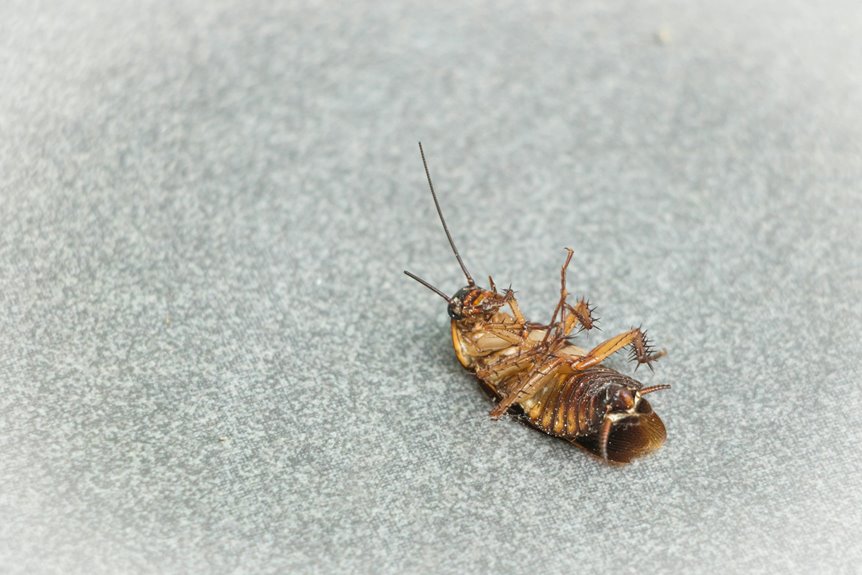

You don’t need to choose between sprays, sealing, or cleaning because the strongest roach barrier employs all three. Start by closing cracks, gaps, and pipe openings, then add door sweeps, screens, and drain covers so you cut off easy routes. After that, use dry, clean storage, low moisture, and safe repellents to make your home less inviting. Once you see how each layer works, the last step gets easier than you’d expect.
Choose the Right Roach Barrier
Start with the barrier that roaches can’t ignore: a tight seal around your home. You can make your space feel safer through choosing materials that block movement and outdoor shelter.
Pair preventive landscaping with trimmed plants, dry soil, and trash kept away from walls, so roaches lose easy cover near your house.
Then, support that work with ventilation upgrades that reduce damp spots in attics, bathrooms, and utility areas. Whenever air stays drier, roaches have fewer reasons to settle in.
Check roof vents, screens, and door bottoms, then fit sturdy barriers that stay put. This isn’t about perfection. It’s about giving your home a stronger edge, so you and your family can breathe easier and feel like you belong there.
Seal Roach Entry Cracks and Gaps
You can stop roaches before they get inside via finding the tiny cracks and gaps they use as concealed doors.
Check walls, doors, windows, pipes, and baseboards closely, then seal those openings with a pest-block sealant or caulk.
Even small spaces matter, since roaches can squeeze through gaps you may barely notice.
Find Hidden Entry Points
Because roaches can flatten their bodies and slip through tiny openings, the real work often begins with a careful search for concealed entry points. Whenever you inspect foundations, look for hairline cracks, loose siding, and utility line holes. Then evaluate landscaping near the wall, because wet mulch, dense shrubs, and stacked debris can guide roaches inside. | Clue | What you should check |
| — | — |
|---|---|
| Foundation line | Cracks, gaps, pipe openings |
| Doors and windows | Worn sweeps, torn screens |
| Yard edge | Mulch, leaves, wood piles |
| Wet zones | Leaks, pooled water, drains |
Walk the outside after dark with a flashlight. You’ll spot trails, shelter spots, and tiny routes that feel easy to miss. Inside, check under sinks, behind appliances, and around baseboards. That careful sweep helps you protect your space and feel more at ease at home.
Seal With Caulk
Around the home, caulk is one of the simplest ways to shut roaches out before they settle in. You can join with your space through sealing tiny splits where walls, floors, and cabinets meet. Use pest-block caulk for tight cracks, and choose silicone alternatives where you need extra grip or flexibility. For a neater look, decorative sealing can blend the repair into trim or tile.
- Press caulk into hairline gaps
- Smooth edges for a clean finish
- Recheck spots after settling
- Seal along baseboards and corners
- Fill openings before they widen
When you close these paths, roaches lose easy travel lanes and your home feels safer, cleaner, and more yours. Busy homes deserve that calm.
Inspect Doors And Pipes
Start with the biggest weak spots: doors, pipes, vents, and the tiny gaps that hide around them.
You’ll want to do a careful threshold inspection, because roaches often slip in where weatherstripping lifts or the door sits unevenly.
Next, check pipe sleeves under sinks, behind toilets, and near utility lines.
In case you see open space, seal it with pest-block sealant, not plain caulk.
Also, inspect baseboard seams, vent edges, and floor cracks near these spots.
Then close the path with tight screens on vent pipes and solid door sweeps at the bottom of each entry.
Whenever you handle these small fixes, you protect your home and make it feel like your space again, which is a relief everyone deserves.
Block Roach Entry Through Drains and Pipes
Roaches love a concealed shortcut, and drains and pipe openings can give them one. You can shut that path fast and feel more at ease in your own home. Start with drain guards and pipe screens that fit snugly over openings. Then seal gaps around sink pipes, tub drains, and utility lines with pest-block sealant.
- Cover floor drains nightly.
- Fit mesh over vent pipes.
- Check under sinks for gaps.
- Replace loose drain covers.
- Keep traps filled with water.
Next, rinse drains often so grime does’t build a welcome mat. In the event you share a building, ask neighbors to keep the same barriers in place. Small steps like these help you protect your space and keep roaches from slipping in where you can’t see them.
Use Roach Deterrent Sprays
A well-chosen roach deterrent spray can help you make your home feel less inviting to these stubborn pests, especially provided you use it in the right places.
You can spray along baseboards, behind appliances, and around door frames so roaches meet a barrier before they settle in.
Many commercial repellents work fast, and they fit well into your routine whenever you want extra backup.
Supposing you prefer a lighter touch, homemade sprays can help you cover small problem spots between cleanings.
Use each spray on dry surfaces, and reapply after mopping or rain near entry areas.
Because roaches often travel the same paths, steady use helps you protect your space and feel more in control.
That kind of support matters whenever you want your home to stay yours.
Use Herbs and Essential Oils as Barriers
Lavender, peppermint, and other strong herbs can help make roach paths less welcoming, especially as you use them near the spots where pests slip in and hide.
- Place herbal sachets in dry corners and closets.
- Rub peppermint oil on cotton balls and set them alongside gaps.
- Scatter citrus peels near entry spots for a fresh scent.
- Refresh herbs often so the smell stays strong.
- Move sachets before they lose their bite.
You can also blend a few drops of essential oil with water and wipe along baseboards, door frames, and under sinks. That helps you build a scent barrier that feels calm in your home.
Should you like a softer touch, tuck dried rosemary or bay into small cloth bags. These simple steps let you protect your space while still keeping it warm, familiar, and yours.
Store Food in Roach-Proof Containers
Choose sturdy containers, and you’ll cut off one of a roach’s easiest food paths.
Whenever you move cereal, flour, sugar, and snacks into airtight canisters, you hide the smell and make every shelf feel safer. You also help your whole kitchen look calmer and more cared for, which roaches hate.
For leftovers, use tight lids or vacuum sealed packs, so crumbs can’t drift out and invite pests.
Check pet food too, because it can draw bugs fast.
Keep dry goods off torn bags and open boxes, since those give roaches a free meal.
In case you buy food in bulk, portion it right away into smaller containers. That way, you stay in control, and your space feels like home again.
Reduce Moisture in Hidden Spots
Fix leaks fast, even the small ones under sinks, behind toilets, and near appliances, because roaches love damp concealed spots.
Then dry out crawlspaces, cabinet corners, and other tight spaces where air doesn’t move well.
Whenever you cut off that moisture, you make your home a lot less inviting to them.
Fix Leaks Promptly
A tiny drip can turn into a roach invitation fast, so concealed moisture needs your attention right away. You keep your home friendlier whenever you make prompt repairs and schedule a plumbing inspection before a small leak spreads behind cabinets or under sinks.
That quick response cuts off the damp corners roaches love and helps your space feel safer for everyone inside.
- Tighten a dripping faucet.
- Replace worn hose washers.
- Check pipes under sinks.
- Inspect toilet bases for seepage.
- Call a pro for unseen leaks.
Whenever you stay alert, you protect shared spaces and cut off easy water access. Then your kitchen and bath stay less welcoming to pests, and you can relax a little more in the home you share.
Dry Hidden Crawlspaces
Once you’ve stopped leaks at the source, the next job is to dry the concealed crawlspaces where roaches quietly settle in. You can help by pushing air through tight zones with ventilation upgrades, then checking for insulation gaps that trap dampness. Add vent covers, clear blocked openings, and keep fans moving on humid days.
Should you spot wet soil or musty wood, dry it fast and remove anything that holds moisture. You should also insulate pipes, seal low seams, and keep storage off the floor so air can move. As concealed spots stay dry, roaches lose the cozy shelter they want, and your home feels safer for everyone. A drier crawlspace also makes later pest control work better, because your barriers stay strong and your space stays more inviting.
Keep Up the Barrier Routine
Keeping the barrier routine strong matters because roaches don’t give up easily, and they can slip back in through the tiniest opening should you let your guard down. You stay ahead whenever you treat sealing like a shared home habit, not a one-time job.
- Do routine checks around doors, pipes, and baseboards.
- Reapply pest-block sealant where cracks reappear.
- Schedule annual resealing before wet weather arrives.
- Inspect screens on vents and keep them snug.
- Watch store containers before they come inside.
Anytime you keep these steps going, you protect your space and make roaches feel unwelcome. A small gap can invite a crowd, so your follow-through really counts.
Frequently Asked Questions
How Often Should Barrier Materials Be Replaced?
You should replace barrier materials when their lifespan ends, typically every few months or sooner if damaged. This helps keep your home protected and gives you peace of mind.
Can Barriers Work During Heavy Rain or Flooding?
Yes, some protection is still possible, but heavy rain or flooding can overpower barriers. Waterproof seals and drainage planning are needed to stop water from creating gaps, since roaches use wet, weakened entry points.
Are There Pet-Safe Options for Roach Barriers?
Yes. Pet safe roach barriers can include bay leaves, tight fitting screens on vents, and sealed cracks around entry points. Keeping surfaces clean and food stored properly also helps reduce roach activity while staying safe for pets.
Which Barrier Works Best for Apartment Buildings?
Use pest-block sealant on sealed seams and vent covers. It closes entry points where roaches slip through. In apartments, pair it with sanitation and moisture control because barriers by themselves will not be enough.
Do Roaches Adapt to Barrier Methods Over Time?
Yes, they can. Roaches may change how they move, finding paths around barriers, and some populations can gradually develop tolerance. Keep sealing gaps, removing food sources, and using baits together so they have fewer ways to recover.
