

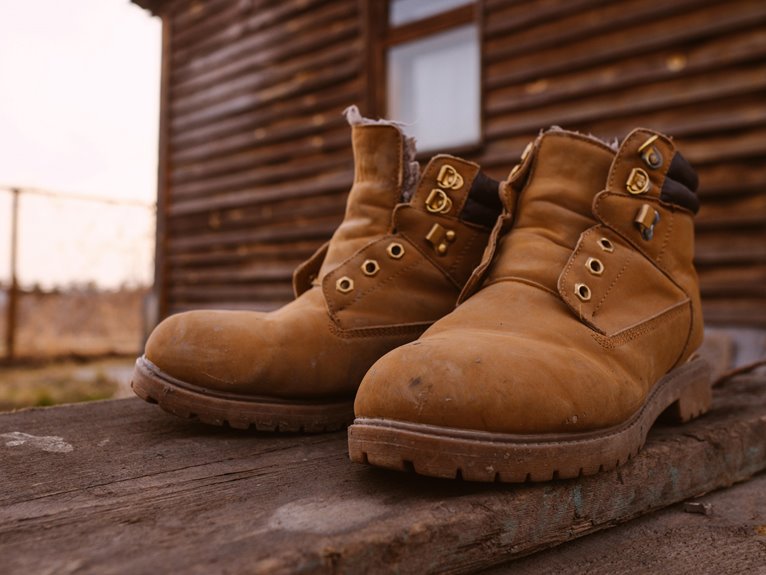

Suede boots can feel fragile, but you can clean them without panic provided you move slowly and use the right tools. Start with a suede brush, a dry sponge, a soft cloth, and a clean eraser, then lift dust before it settles deep into the nap. From there, you can handle salt, oil, water spots, and scuffs with care, so the real trick is understanding what to use and at what point to stop.
Gather These Suede Cleaning Tools
Before you start scrubbing, round up the right suede cleaning tools so the job feels calm instead of messy. You’ll want a suede brush, microfiber cloths, a clean towel, and a soft eraser for small marks. Keep a dry sponge nearby too, since it helps you handle the surface gently. In case your boots face rain often, add weatherproof sprays to your kit so you’re ready after cleaning.
Put everything in one place before you begin, and you’ll save time and avoid scrambling later. Check that each tool feels clean and soft, because suede picks up roughness fast. Once you’ve got the basics lined up, you can move ahead with confidence, and your boots will get the care they deserve.
Brush Off Dirt Before It Sets
A quick brush now can save you a lot of work later, so it helps to treat dusty suede boots as soon as you spot dirt.
You’ll feel more at home in your boots whenever you keep up with preventive brushing, because it stops grit from sinking into the nap.
Use a soft suede brush and move with the grain, then make a few gentle back-and-forth passes should the dust clings.
After that, wipe the surface with a dry cloth to lift loose bits.
This small step fits right into daily maintenance, and it keeps your boots looking cared for without turning cleaning into a chore.
Provided you brush them after each wear, you’ll protect the texture and keep your pair ready for the next outing.
Treat Common Suede Stains Safely
Salt rings, water marks, and scuffs can make suede boots look rough fast, but you can clean most of them without stressing the material. You’re not alone here, and a gentle touch goes a long way.
- Start with a suede brush and lift loose grit initially.
- For salt marks, use a vinegar alternative like diluted white vinegar on a cloth.
- Dab oil stains with cornstarch, then brush it away later.
- Rub scuffs with a clean pencil eraser, lightly and patiently.
If one spot stays stubborn, switch to small, careful strokes instead of scrubbing. That keeps the nap calm and helps your boots keep their soft look.
Whenever you treat stains this way, you protect the suede and stay ready for the next wear.
Remove Water Spots From Suede Boots
As soon as water spots show up on your suede boots, blot away any extra moisture initially so the stain doesn’t spread.
Then use a suede brush or clean cloth to lift the mark gently, working with light pressure so you don’t flatten the nap.
After that, brush the suede again to bring back its soft texture and keep the boots looking even.
Blot Excess Moisture
Gently blotting excess moisture is the initial small rescue mission for suede boots, and it can save you from ugly water spots before they settle in. You want to act fast, but stay calm. Use a clean, dry cloth and press with a light blotting technique, then lift it away. Don’t rub, because rubbing can spread the damp area and rough up the nap.
- Start at the wettest spot initially
- Press, then release, with steady hands
- Switch to a fresh cloth provided it feels damp
- Keep the boot stuffed so it holds its shape
With this gentle habit, you help your boots feel cared for, not attacked. That small kindness matters, and your boots will thank you with a softer, tidier look later on.
Lift Water Stains
Now that you’ve blotted away the worst of the moisture, you can tackle the pale rings and blotches that water leaves behind. Gently dab the marks with a cloth barely dampened in plain water, then press once more with a dry cloth. Should the stain linger, use a suede-safe cleaner and test it on a concealed spot beforehand.
| Step | What you use | Why it helps |
|---|---|---|
| 1 | Plain water | Softens the ring |
| 2 | Dry cloth | Lifts extra moisture |
| 3 | Color matching cleaner | Blends the spot |
Choose a cleaner that suits your boot’s shade, because color matching keeps the finish looking like it belongs. In case your boots already have a water repellent spray, check the label before adding more product. With a little patience, you can help your boots look cared for, not singled out.
Restore Suede Texture
Bring the nap back to life through brushing the suede in one direction with a suede brush, then work over any flat or stiff spots with light back-and-forth strokes.
This fiber realignment helps the surface stand tall again, so your boots look like they belong with the rest of your favorite pair.
In case water spots still feel set in, hold the boots over gentle steam for a few seconds, then brush again for nap rejuvenation.
Keep the motion soft, because you want the suede to relax, not rebel.
- Brush after each short steam pass
- Focus on edges and toe creases
- Let the nap dry between rounds
- Use a clean, dry cloth for loose dust
Restore Scuffs and Flattened Nap
Once you’ve cleared away the dirt, you can focus on the marks that make suede boots look tired, such as scuffs and a flattened nap.
Gently rub the scuffed spots with a suede brush or clean eraser, and you’ll lift the mark without roughing up the whole boot.
Then brush the nap in short, steady strokes so the fibers stand back up.
Should one area looks faded, a light touch helps with color restoration, while careful fringe reconditioning can revive trim edges and keep the look balanced.
Work slowly, because suede responds best when you treat it like part of the group.
A little patience goes a long way, and your boots start to look cared for again, not worn out.
Dry Suede Boots Without Damage
Let your suede boots air dry naturally so the material can stay soft and keep its shape.
Stuff them with boot trees or paper to support the structure while they dry.
Skip heaters and direct sunlight, because gentle drying protects suede from getting stiff or warped.
Air Dry Naturally
Air drying your suede boots is the safest way to protect their soft texture, shape, and finish after they get wet. You want to let moisture leave slowly, so natural evaporation can do its work without stressing the suede. Place your boots in a cool, open room with good humidity control, because damp air can drag drying time out and invite odor.
- Keep them away from heaters and sun.
- Set them where air moves gently.
- Remove wet laces so airflow reaches more surfaces.
- Check them later, but don’t rush them.
If you’ve got a soggy pair, give them space and time. That’s the quiet care your boots need, and it helps you feel like you’re treating them right.
Use Boot Trees
Using boot trees helps your suede boots dry in the right shape, so they don’t collapse, curl, or wrinkle while the moisture leaves. You’ll feel better understanding your pair stays ready for the next wear.
Slide in wooden boottrees right after you finish blotting, then let the boots rest in open air. In case the boots are very damp, cedar inserts can help pull out extra moisture and leave a fresh scent. Keep them away from heaters, since fast heat can make suede stiff and sad.
Check the fit so the trees support the shaft without stretching it. As the boots dry, the support keeps seams lined up and the nap calmer.
That little care now saves you from a lumpy shape later, and your boots stay part of your group.
Protect Suede Boots After Cleaning
Once your suede boots are clean and fully dry, protect them right away so all that careful work lasts. You’re part of the crew now, and a little protection helps you stay confident in any weather.
Use weatherproof sprays made for suede, and hold the can a few inches away. Spray in light, even coats, then let the boots rest before you wear them. Good storage tips matter too, because the wrong spot can undo your progress fast.
- Keep boots in a cool, dry place
- Use a breathable boot bag
- Stand boots upright so they keep shape
- Skip damp closets and sunny shelves
With these simple steps, you’ll help your suede boots stay ready for the next outing, and they’ll feel easier to care for later.
Keep Suede Boots Looking New
Keep your suede boots looking fresh via building a few easy habits into your routine, and you’ll save yourself a lot of stress later. Brush them after wear so dust doesn’t settle into the nap, and always let them dry naturally before you tuck them away.
In case a spot shows up, treat it fast with a suede-safe cleaner and check material compatibility initially, so you don’t trade one problem for another. Next, protect the surface with a spray that matches your boots, then keep them in seasonal storage with boot trees or paper inside to hold shape.
A dry, dark closet helps preserve color, and a little care after rainy days keeps your pair ready for the next outfit, not the next rescue mission.
Frequently Asked Questions
Can Suede Boots Be Cleaned With Household Soap?
No, you should not use household soap on suede boots because it can stain and stiffen the material. A water based suede cleaner with careful brushing is a better choice, helping the boots keep their soft texture and appearance.
How Often Should Suede Boots Be Professionally Cleaned?
Have suede boots professionally cleaned once or twice a year, or sooner if wear, stains, or seasonal upkeep start to show. This helps keep them looking well maintained and ready to wear.
Are Suede Waterproofing Sprays Safe for All Colors?
Not always. Test suede waterproofing spray on a hidden area first. Some formulas can cause color change or affect how the material reacts, so choose one marked safe for your boot color.
Can Old Suede Boots Be Recolored After Cleaning?
Yes, old suede boots can be recolored after cleaning. Many shoe care specialists restore faded suede with dye, and around 70% of worn boots see noticeable color improvement.
What Should I Do if Suede Boots Smell Musty?
Air the boots in a dry spot, fill them with newspaper to pull out moisture, and leave a light layer of baking soda inside overnight to help with odor removal. Afterward, brush the suede gently and store the boots in breathable bags in a cool, dry place.
