

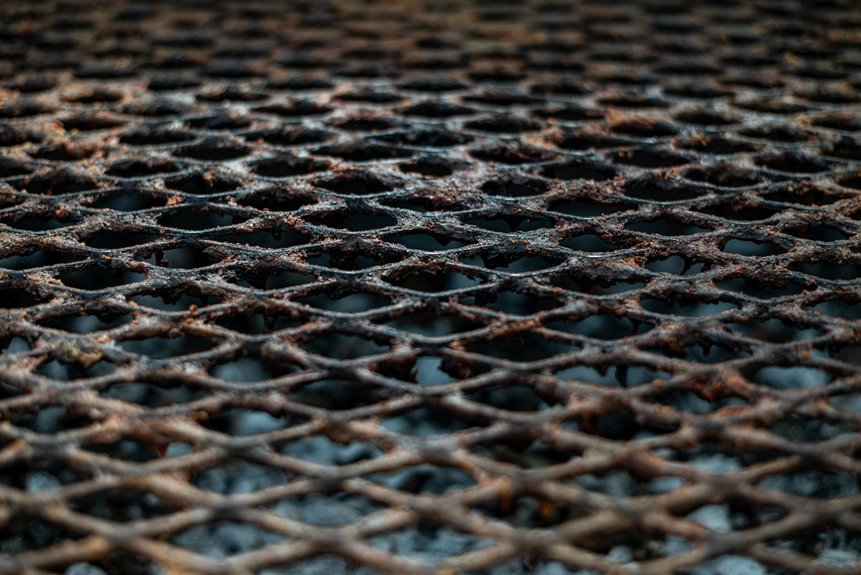

Flaky rust on your grill grates can look like a bad start to cookout season, but you can bring them back with a few careful steps. You’ll scrub away loose debris, then use vinegar on stubborn cast-iron rust, followed by a full rinse, fast drying, and a thin oil coat to rebuild protection. The trick is understanding at what point to scrub, at what point to soak, and at what point to stop before you damage the grate.
Why Grill Grates Rust
Grill grates rust because metal and moisture don’t get along, and your grill often gives both plenty of chances to meet. When you cook, tiny bits of food, steam, and rain can sit on the bars. That mix starts to wear down the protective layer, so the metal composition matters. Cast iron, for example, can rust faster than coated steel if you leave it damp.
Environmental exposure also plays a big role. Humid air, salty breezes, and sudden temperature changes all invite rust to settle in. Even a few neglected days outside can let orange spots grow. You’re not alone provided this happens. It’s a common grill problem, and grasping it helps you see why care matters.
What You Need to Remove Rust
Before you start scrubbing, it helps to gather the right tools so the job feels simple instead of overwhelming. Put on grill gloves so you can protect your hands and stay confident near sharp edges.
Grab a sturdy wire brush or a nylon brush, plus an old cloth for wiping away loose rust. Keep baking soda, vinegar, and salt nearby in case you want a gentle helper.
For stainless steel grates, a stainless cleaner makes cleanup easier and helps the surface look cared for. You’ll also want a bucket of warm water, paper towels, and a dry towel for the finish.
When you lay everything out to begin, you won’t feel rushed, and you’ll move through the task like you belong there.
Scrub Light Rust Off Grates
For light rust, you can start with a nylon brush and warm soapy water to loosen the grime without scratching the grate.
The soft bristles help you clean gently, which is especially handy should you wish to protect the finish.
Once the rust softens, you can scrub a little longer and lift away the stubborn spots with less effort.
Choose a Nylon Brush
A nylon brush can make light rust feel a lot less stubborn, and that’s a relief whenever your grill grates only need a gentle reset. You want nylon durability, because the bristles should hold up without feeling harsh, and the right bristle stiffness helps you lift rust instead of spreading it around.
| Brush trait | Why it helps | What you feel |
|---|---|---|
| Nylon durability | Holds shape through scrubbing | Less worry |
| Bristle stiffness | Loosens rust gently | More control |
| Soft grip | Keeps your hand steady | Easier cleanup |
You can work in short strokes, then check your progress with a quick look. Should the rust start to fade, keep going with calm pressure. That way, you stay in control and your grates start looking like they belong back on the grill.
Use Warm Soapy Water
Warm soapy water is often the gentlest way to start whenever you only have light rust on your grill grates, and it can save you from scrubbing harder than you need to. Fill a basin or sink with warm suds, then set the grates in for a short gentle immersion.
Let the water loosen the rust and lift the greasy film that hides it. After a few minutes, use your nylon brush to work over each bar with light pressure. Move slowly between the gaps, so you don’t miss stubborn spots.
In case you’re cleaning with your grill crew in mind, this easy step keeps things simple and shared. Rinse the grates well, then dry them right away so the rust doesn’t get a fresh chance to return.
How to Clean Cast Iron Safely
Cast iron needs a gentle touch, even though rust is staring back at you like an uninvited guest. You can clean it safely via moving slow, using dry tools, and keeping the metal intact.
Start with a wire brush or aluminum foil ball, then follow with care. Your goal is to clear rust without stripping the skillet-like surface that protects your grate.
- Place the grate on a flat, covered surface.
- Brush off loose rust and grime.
- Wipe away debris with an old cloth.
- Finish with seasoning techniques and light protective coatings.
That thin oil layer helps you belong to the grill crowd that keeps cast iron strong. Whenever you clean it this way, you protect flavor, limit future rust, and keep your grate ready for the next cookout.
Soak Rusty Grates in Vinegar
Vinegar can break the rust loose, and that makes it one of the easiest ways to rescue grates that look beyond hope. You can place your grates in a tub, then cover them with plain vinegar and let them sit overnight. Should the rust be stubborn, give the rough spots a light scrub and soak them again.
You can also use vinegar alternatives like lemon juice or a mild acid mix whenever you’re out of vinegar. For really heavy rust, some cooks compare this method to industrial pickling, but your kitchen version stays simple and safe.
The acid softens grime so your brush can do the rest. Stay patient, and you’ll feel like your grill crew just got a fresh start.
Rinse and Dry Grates Completely
After you rinse the grates, wash away every bit of cleaner, rust dust, or vinegar left behind.
Then dry them completely with a clean towel and let them air out so no moisture stays concealed in the corners.
That last step helps stop fresh rust before it can start and saves you from doing this again too soon.
Rinse Away Residue
Once the rust, paste, or loosened grime has come off, you need to rinse the grill grates well so none of that mess stays behind. Use clean water and move it across every bar, because leftover soap scum or mineral deposits can cling in tiny grooves and spoil your next cookout. You’re not just cleaning metal; you’re protecting your food and your crew’s trust.
- Hold the grates under steady water and check each side.
- Rub away any cloudy film with your fingers or a soft cloth.
- Rinse the corners, edges, and welds where grime likes to hide.
- Run one last rinse until the water looks clear and the surface feels clean.
After that, your grates feel ready for the next step, and you’ll know the hard part’s done.
Dry Completely Before Storage
Even a tiny bit of leftover moisture can bring rust right back, so you’ll want to dry the grates fully before they go into storage. After rinsing, shake off every drop you can, then wipe both sides with a clean towel.
Next, set the grates in a warm spot with good airflow storage so air can reach the edges and corners. Should you have time, stand them on end for a few minutes and let gravity help. You can also use a fan for quicker drying.
Pay attention to joints, bars, and rough spots, because water likes to hide there. Good humidity control matters too, since damp air can undo your hard work fast. Once the metal feels dry to the touch, you’re ready to put the grates away with confidence.
Prevent Fresh Rust
Rinse your grill grates thoroughly so stray cleaner, ash, and loosened rust don’t get a chance to settle back in and start trouble again. You’re not just washing metal; you’re protecting the crew that shares your grill. Then dry each grate with a clean towel and let air reach every corner.
- Shake off concealed drops between bars.
- Wipe the edges, where water likes to hide.
- Set the grates in sun or warm air until they feel bone dry.
- For annual inspections, check for damp spots and touch up storage habits before indoor storage.
When you finish well, fresh rust has a much harder time coming back, and your next cookout starts with cleaner gear and less worry.
Re-season the Grates After Cleaning
After you clean the rust away, re-season the grates so they don’t slide right back into trouble. You’re not just adding shine; you’re building a safe surface your food can trust.
Initially, dry the grates fully, then rub on a thin coat of oil seasoning with a folded towel. Use tongs so you keep your hands away from the heat and spread the oil evenly.
Next, heat the grill until the oil starts hot smoking and the metal darkens. That quick finish helps the coating bond.
Let the grates cool, then repeat once more provided they still look pale. Whenever you do this following each deep clean, you keep your grill ready for the next backyard meal and your crew in the loop.
How to Prevent Grill Grate Rust
Now that your grates have a fresh coat of seasoning, you can keep rust from sneaking back in with a few steady habits.
- Dry the grates right after washing, because even a little water can start trouble.
- Rub on a thin layer of vegetable or avocado oil after each cook, then heat the grill to lock it in.
- Store the grill under a dry cover and use humidity control in damp seasons, so moisture doesn’t settle overnight.
- Schedule annual inspections to check for chipped seasoning, worn spots, or concealed rust before it spreads.
You’re not just protecting metal here. You’re keeping your grill ready for the next backyard meal, and that means fewer surprises whenever friends show up hungry.
A little care now helps your whole grill crew feel right at home.
Frequently Asked Questions
Can I Use a Pressure Washer on Rusty Grill Grates?
No, do not pressure wash or blast rusty grill grates. The high force can warp the grates and strip their coating. Use a stiff grill brush to remove rust, then wash, rinse, and dry them completely so they stay safe to use.
How Do I Clean Rust From Porcelain-Coated Grates?
Use a soft brush and a baking soda paste to lift the rust, then rinse and dry the grate well. If chips reveal bare metal, repair the porcelain finish or replace the grate, and apply a thin coat of oil to help prevent future rust.
Is Aluminum Foil Safe for Scrubbing Grill Rust?
Yes, aluminum foil is usually safe for light scrubbing if you use gentle pressure. For a safer option, try a nylon brush or a damp sponge.
Can I Remove Rust Without Taking Grates off the Grill?
Yes, you can remove rust while the grates stay in place. Use a handheld wire brush and spray vinegar on the rusty spots, then wipe away the loosened flakes. Brush lightly, dry the grates completely, and coat them with oil to help prevent new rust.
How Often Should I Deep-Clean Grill Grates?
Deep-clean grill grates every month, and inspect them at the start of each season. If you grill several times a week, clean them sooner. This keeps flavors cleaner and helps you spot wear before it affects cooking.
