

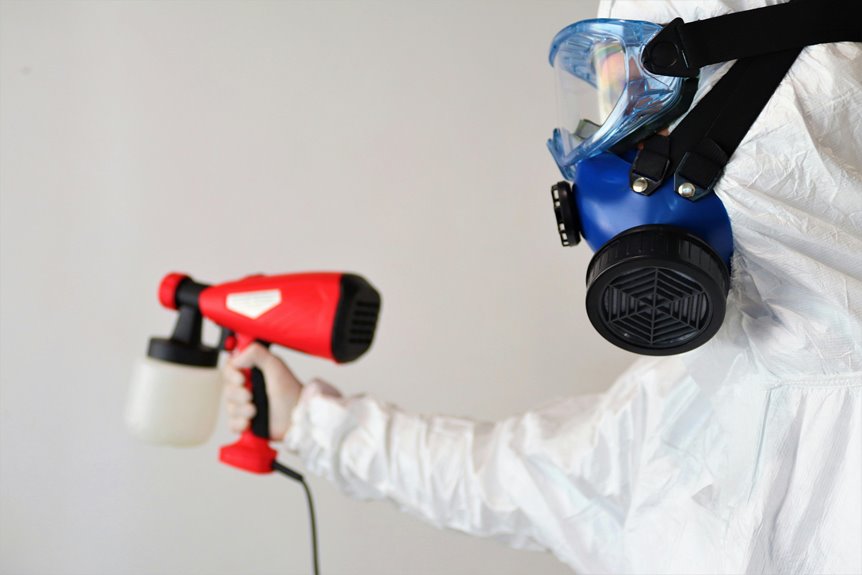

Mold can feel overwhelming, but you can handle many small jobs provided you move carefully and act fast. Initially, protect yourself with gloves, goggles, and a snug respirator, then seal off the area and open windows when possible. Next, remove soaked porous items that won’t dry well, scrub hard surfaces with soap and water or white vinegar, and dry everything fully. After that, track moisture, fix leaks, and keep humidity low so mold doesn’t return, because the real challenge often starts after the cleanup.
What You Need to Clean Mold
Before you start scrubbing, gather the right supplies so the job feels manageable and safe. Build your tool checklist with rubber gloves, goggles, old clothes, detergent, white vinegar, clean cloths, trash bags, and a HEPA vacuum in case dust shows up.
Add a bucket, sponge, and a dry towel so you can move from cleaning to drying without a scramble. Next, set a simple cleaning timeline prior to beginning. Plan enough time to clear the area, clean one spot at a time, and let every surface dry fully.
Should you have a window or door nearby, open it for fresh air while you work. As you prepare this way, you’re not just gathering gear. You’re giving yourself a calmer, steadier path through a messy task.
How to Clean Mold Safely
You can clean mold more safely whenever you wear rubber gloves, goggles, and protective clothing before you start.
Next, seal off the area so mold spores don’t spread to other rooms whilst you work.
Then use the right cleaner for the surface, scrub gently, and dry everything completely to help stop mold from coming back.
Safety Gear Essentials
Once mold cleanup starts, the right safety gear helps protect your body and keeps the job from turning into a bigger headache.
You’ll want a personal respirator that fits snugly, so you’re not breathing in stray spores while you work. Add goggles to shield your eyes from dust and splashes, and choose rubber gloves that reach past your wrists for better coverage.
Wear long sleeves and pants to keep skin contact low, then pick foot protection with closed toes and sturdy soles.
In case your clothes get damp or dirty, change them fast so you don’t carry mold around with you.
Whenever you gear up well, you can clean with more confidence, stay comfortable, and feel like you’ve got backup every step.
Contain The Area
Now that you’ve suited up, the next move is to contain the mold so it doesn’t spread while you clean. Close the room door and keep foot traffic out so your home feels safer right away. Then seal vents with plastic and tape, because airborne spores can travel through the system fast.
Should the job be near your furnace or return grate, quarantine HVAC by shutting it down until you finish. You can also cover nearby furniture with clean plastic sheets to protect the space you share. Open a window provided weather allows, but keep the rest of the house closed off.
This simple barrier setup helps you work with calm focus and keeps the mess from becoming everyone’s problem.
Proper Cleaning Methods
Scrub the mold with care, because the right method protects both your health and the surface you’re cleaning. Wear gloves, goggles, and old clothes, then open a window so fresh air helps you breathe easier. For hard spots, use detergent and water, or white vinegar for a safer touch. For softer materials, use spot cleaning techniques and don’t soak the area.
| Surface | Best Method | Note |
|---|---|---|
| Tile | Scrub with soap | Dry fully |
| Wood | Wipe gently | Test initially |
| Fabric | Use enzyme cleaners comparison | Check labels |
Next, choose cleaners that fit the job. Should you compare enzyme cleaners, you’ll see they work well on some stains, but mold still needs moisture control. After cleaning, rinse with a damp cloth, then dry everything well. That last step helps your space stay healthy and calm.
When Mold Is Too Much to Handle Yourself
Should the mold keep coming back after you clean it, or whether the problem covers a large area, you could be confronting with more than a simple home cleanup. You don’t have to handle that alone. Once mold spreads through walls, ceilings, or concealed spaces, call professional remediation so trained workers can find the source and remove it safely.
They’ll protect your home, help limit exposure, and give you a clear plan. In case water damage caused the growth, keep photos, receipts, and records for insurance claims. That record can make the process easier and less stressful.
Trust your gut, too. Should the smell feel strong, the patch keeps growing, or you feel unsure, stepping back is smart. Getting help isn’t giving up. It’s choosing the safer path for your space and your peace of mind.
How to Clean Mold on Bathroom Surfaces
Tackle bathroom mold promptly so it doesn’t turn your shower or sink area into a stubborn little science project.
Put on gloves, open a window, and spray the spot with white vinegar or a mild cleaner. Let it sit, then scrub tile, tubs, and faucets with a brush or sponge. Rinse with clean water and dry every surface well, because leftover moisture invites mold back fast.
In case grout looks dark or soft, clean it initially, then try grout sealing to block future growth.
You can also make life easier with ventilation upgrades, like a stronger fan or a cracked window after showers.
Keep soap scum down, wipe splashes quickly, and check under fixtures often. Small habits help you keep your bathroom fresh and feel right at home.
How to Clean Mold on Walls and Ceilings
Whenever mold shows up on your walls or ceiling, it can feel a little alarming, but you can handle it with a calm plan.
First, stop the moisture source, because dry rooms keep mold from coming back.
Then open a window, wear gloves and goggles, and protect the area below.
Next, gently wash the spot with detergent and water, then dry it well.
- Check ceiling paintwork for bubbling or stains.
- Use wallpaper removal if mold hides underneath.
- Wipe hard wall surfaces with a damp cloth.
- Throw away damaged porous pieces that can’t be cleaned.
Afterward, keep air moving and watch humidity.
Provided the mold patch is large or keeps returning, call a professional so you feel supported, not stuck, in your own home.
How to Clean Mold From Wood and Fabric
Wood and fabric can both trap mold fast, so the initial step is to stop the moisture that fed it in the original place. Open a window, wear gloves, and dry the item fully. On wood, brush off loose growth, then scrub with mild soap and water. Should the surface be sealed, you can follow with vinegar, then wipe it dry. For deeper wood restoration, sanding might help after the area is clean and safe.
For fabric, wash it with detergent and warm water provided the care label allows it. Air-dry it in full light and check for scent or spots. In case the piece is delicate, test a small area beforehand, especially during fabric dyeing could change the color. You can save a favorite chair cover or shirt with calm, steady care.
How to Remove Stubborn Mold Stains
Stubborn mold stains can look worse than the mold itself, but you can still lift a lot of them with the right approach. You’ve already removed the growth, so now you can focus on the mark it left behind. Start with gentle scrubbing, then move to stronger help like enzymatic cleaners whether the stain stays dark.
For lasting protection, keep these spots in mind:
- Wipe the area with a damp cloth and mild cleaner.
- Apply vinegar or hydrogen peroxide to the stain.
- Let the product sit, then scrub with a soft brush.
- Rinse the surface well and check for shadowy spots.
Should you want extra peace of mind, photo catalytic coatings can help resist future staining on some surfaces. That way, your space feels cleaner, brighter, and more like home.
How to Dry the Area After Cleaning
After you finish cleaning mold, drying the area well is just as essential as the scrubbing itself. You want every surface to feel fully dry, so grab air movers and aim them across the space, not at one spot. Open windows when the weather helps, and keep air flowing. Then check concealed dampness with moisture meters, especially near baseboards, drywall, and corners.
| Step | What You Do | Why It Helps |
|---|---|---|
| 1 | Wipe standing water | Removes leftover wet spots |
| 2 | Set air movers | Speeds drying evenly |
| 3 | Use moisture meters | Finds concealed dampness |
| 4 | Move items apart | Lets air reach surfaces |
| 5 | Check again later | Confirms the area’s dry |
When the room feels dry, you’ll know you’ve given your space the care it deserves.
How to Prevent Mold From Coming Back
To keep mold from coming back, you need to control indoor humidity so moisture doesn’t settle into your home.
Fix leaks right away, even small ones, because they can feed new growth fast.
You should also improve air circulation with open windows, fans, or vents so damp spots dry out before mold can return.
Control Indoor Humidity
Keeping indoor humidity in check is one of the smartest ways to stop mold from sneaking back in. You want your home to feel dry, fresh, and easy to live in.
Aim for 30% to 50% humidity, and use moisture monitoring to catch damp spots before they spread. Smart dehumidifier selection helps you match the room size, so your effort actually works.
- Place a hygrometer in bedrooms and basements.
- Run a dehumidifier after showers or laundry.
- Open windows whenever weather feels cool and dry.
- Keep furniture a little away from walls.
Whenever you stay on top of moisture, you protect your space and help everyone feel at home again. Small daily checks can make a big difference, and your walls will thank you quietly.
Fix Leaks Quickly
A tiny leak can turn into a mold problem fast, so you need to act the moment you detect one. Check under sinks, behind toilets, and around appliances, then tighten fittings or replace worn hoses right away.
Should you spot stains or damp spots, dry them fast and call a pro whenever the source stays concealed. To stay ahead of trouble, inspect foundations, window frames, and basement walls after rain.
You can also detect moisture with a meter or a simple touch test, which helps you catch drips before they spread. Whenever you fix small problems quickly, you protect your home and help your family feel safe.
That kind of care keeps your space welcoming, and it saves you from another mold cleanup later.
Improve Air Circulation
Once you fix the leak, you need to help the space dry out fast, because still air gives mold the cozy little home it loves. You can do that through opening windows and doors whenever weather allows, then running air movers to push damp air out and fresh air in.
Provided rooms feel boxed in, use cross ventilation so air can travel through the whole space instead of circling in one corner. That simple flow helps you and your home recover together.
- Set a box fan in one window to pull air out.
- Open a window on the opposite side for fresh air.
- Leave closet doors open so concealed spots can breathe.
- Keep furniture a little off walls for airflow.
Frequently Asked Questions
How Do I Know if Mold Is Dangerous or Just Cosmetic?
You cannot tell by appearance alone. Even a small patch may affect health if you are sensitive, and a large area should be handled carefully. If you are unsure, arrange a professional inspection and testing so you can make a safe decision.
Can I Clean Mold Without Using Bleach?
Yes, you can clean mold without bleach. Use white vinegar or hydrogen peroxide on hard surfaces, scrub the area well, dry it completely, and fix any moisture source to help prevent mold from coming back.
How Long Should I Wait Before Repainting Cleaned Walls?
Wait until the walls are fully dry, usually 24 to 48 hours, before repainting. This helps the new paint adhere properly and keeps the finished room looking clean and even.
Will Air Purifiers Help After Mold Cleanup?
Yes, they can reduce airborne mold particles after cleanup. HEPA filtration improves air quality, but you still need to correct the moisture source. Use an air quality monitor to check conditions over time.
Should I Throw Away Books With Mold on Them?
Yes, you should usually discard books with widespread mold. If the mold is limited to a few spots, you can try archival preservation by drying and cleaning the book carefully. If the pages are warped, smell musty, or feel fragile, it is better to discard it.
