

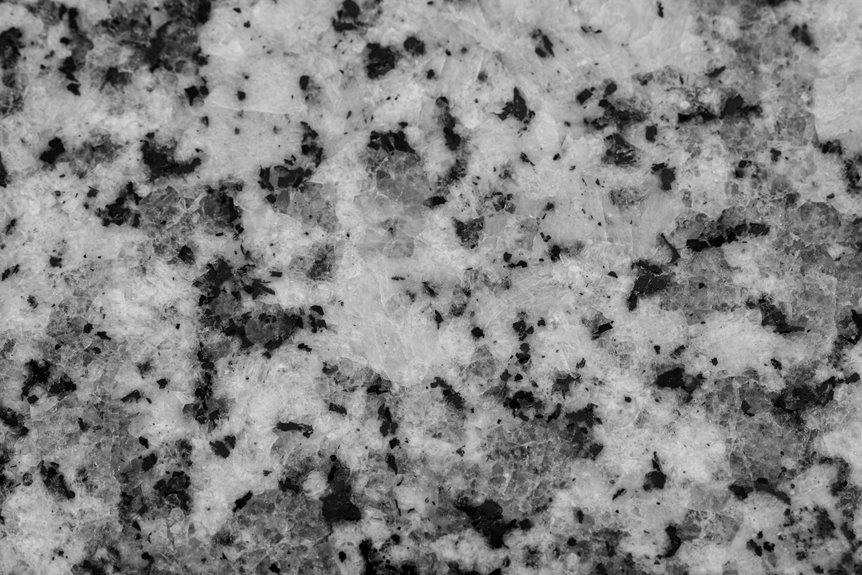

One tiny spill on granite can feel like a full-blown disaster, but you can keep that surface looking calm and polished with the right care. You’ll start with daily wiping, then move to safe cleaners, stain fixes, cooking cleanup, and sealing habits that actually protect the stone. Should you’ve ever pondered why some granite stays glossy while others turn dull and cloudy, the next steps will make it clear.
How to Clean Granite Daily
For daily granite cleaning, start with the gentlest method you can, because your countertop really doesn’t need a heavy-handed scrub. You can handle daily maintenance with a few drops of mild dish soap in warm water and a soft microfiber cloth. With gentle wiping, lift crumbs, light smudges, and cooking splashes without stressing the stone.
Then rinse with clear water, because soap left behind can dull the shine. Dry the surface right away with a clean cloth, and you’ll help prevent spots and streaks. Should you want extra polish, buff in small circles until the stone looks calm and cared for.
These easy habits fit into real life, so you may keep your kitchen feeling welcoming, fresh, and proudly yours.
How to Choose a Safe Granite Cleaner
Whenever you choose a granite cleaner, stick with a pH-neutral formula so you don’t wear down the sealant or dull the stone.
You should also skip acidic or harsh products, since vinegar, ammonia, and bleach can cause real damage over time.
A safe cleaner keeps your granite looking fresh while making daily care feel easy, not stressful.
Non-Acidic Formulas
A safe granite cleaner starts with a simple rule: it should be gentle, non-acidic, and free of harsh chemicals that can wear down the seal over time. You can trust stone friendly solutions that protect the shine you love while keeping your kitchen welcoming.
| What to check | Why it matters |
|---|---|
| No acid | It helps guard the surface |
| No bleach | It helps protect the sealer |
| Few added scents | It lowers residue |
| Non toxic sprays | They fit busy homes |
When you read labels, choose options made for sealed stone, then test a small spot initially. In case you share your space with kids or pets, that extra care brings peace of mind. You’ll clean with confidence, and your granite will feel like it still belongs in your home.
pH-Neutral Cleaners
Usually, the safest granite cleaner is one that stays close to neutral, because pH-neutral formulas clean without pushing your stone into a chemical tug-of-war. You’ll feel more at ease whenever you choose cleaners with a neutral pH and gentle formulations, since they lift daily messes without upsetting the surface. Check the label for stone-safe wording, then reach for a soft cloth or microfiber pad. A few drops often do the job, so you don’t leave a sticky film behind. Whenever you clean this way, you protect the shine you enjoy every day. It also helps you avoid the guesswork that can make granite care feel stressful. With the right bottle, you’re not just cleaning, you’re keeping your kitchen calm, cared for, and welcoming.
Sealant-Safe Options
The safest granite cleaner does more than remove dirt, because it also protects the sealant that keeps your stone strong. You want a product made for granite, not a harsh all-purpose spray. Choose pH-neutral formulas with stone safe solvents, and check that the label says it’s safe for sealed stone. That simple step helps you stay in the safe zone with your countertops.
Should you already use professional sealants, a gentle cleaner will help them last longer and keep water from sneaking in. Look for soft cloth use, quick rinsing, and no bleach, ammonia, or vinegar.
Whenever you clean, use just enough product to lift grime without leaving film. Then dry the surface right away, so your granite keeps its calm shine and your kitchen feels cared for.
How to Remove Stains From Granite
Anytime a stain shows up on granite, you can usually handle it without panic provided you move the right way. Initially, blot spills fast so they don’t sink in. Then you can make a natural poultice with baking soda and water for oil marks, or try enzymatic cleaners on organic spots like food.
- Spread the paste thick.
- Cover it with plastic wrap overnight.
- Lift it off with a plastic scraper.
- Rinse and dry the area well.
If the stain stays, repeat the process instead of scrubbing hard. You’re part of a granite-care crowd now, so keep your touch gentle and your patience steady.
For dull or etched spots, a little granite polish can help the surface look even again.
How to Clean Granite After Cooking
After you cook, wipe up spills on your granite as soon as you can so grease and sauce don’t set in. Use a few drops of mild dish soap mixed with warm water and a soft cloth to clean the surface without scratching it.
Then rinse with clear water and dry it right away so your granite stays smooth, bright, and spot-free.
Clear Spills Quickly
Spills happen fast whenever you’re cooking, so it helps to clean granite right away before sauces, oil, or juice can sit and leave a mark. You don’t need to panic; you just need quick, calm action that keeps your kitchen looking welcoming.
- Blot the spill at once with an absorbent cloth.
- Lift, don’t rub, so you don’t spread the mess.
- Wipe the spot with a damp cloth and catch every edge.
- Dry the area fully so it stays fresh and spot free.
That fast response protects the stone and helps you feel in control while dinner gets busy.
In case a drip lands near the stove, move in right away. Your granite will thank you, and your space will stay ready for the next meal, the next laugh, and the next hungry guest.
Use Gentle Cleaner
A gentle cleaner is your best friend once you’ve just finished cooking and the granite needs a quick reset. You belong in a kitchen that still feels calm, even after a busy meal. Mix a little mild dish soap with warm water, then use soft applicators like a microfiber cloth or sponge. Their mild surfactants lift grease without stressing the stone.
| What to use | Why it helps |
|---|---|
| Mild dish soap | Cuts cooking film |
| Warm water | Loosens residue |
| Soft applicators | Protects the finish |
| Few drops only | Reduces haze |
Wipe the surface with light pressure, and don’t scrub hard. Should you notice sticky spots, go over them again with fresh suds. This simple routine keeps your granite looking cared for, and it saves your crew from extra cleanup later.
Dry And Buff
Once the granite is clean, drying it right keeps that fresh, polished look from slipping away. You’re not just chasing shine; you’re protecting the calm, finished feel your kitchen deserves. Use a soft microfiber cloth and move in small circles, so you lift water instead of pushing it around. Should you like, let the surface air dry technique start the process, then finish fast with a towel.
- Wipe edges and corners initially.
- Buff the center next.
- Check for streaks in the light.
- Repeat as part of your polishing routine.
This quick step helps you avoid spots, haze, and that dull after-cooking look. Once you dry it well, your granite feels cared for, and your whole space feels a little more like home.
How to Seal Granite and Protect It
To keep your granite looking rich and polished, you need to seal it on a regular schedule and protect the surface in everyday use. You’ll feel more confident whenever you treat it like the heart of your room.
For seasonal resealing, test the stone with a few water drops; provided they darken fast, it’s time to reseal. Apply the sealer in thin, even coats, then wipe away extras with a lint-free towel. This simple step helps your space stay welcoming and cared for.
For edge protection, use trivets, cutting boards, and soft pads under heavy items. Also, clean up spills promptly and keep damp cloths from sitting on the surface. Small habits like these help your granite stay strong, calm, and beautiful for the long haul.
Avoid These Granite Cleaning Mistakes
Even with good sealing habits, a few cleaning mistakes can wear down granite faster than you’d expect. You want your counters to stay welcoming, not tired, so skip the habits that sneak in damage.
- Don’t use harsh scrubbers, because they can leave tiny scratches that dull the finish.
- Avoid citrus cleaners, since lemon and orange acids can weaken the sealer.
- Don’t let soap sit on the stone. Use just a few drops, then rinse well.
- Skip soaking wet cloths. Wipe with a soft sponge or microfiber cloth, then dry right away.
When you clean this way, you protect the shine and help your granite feel right at home in your kitchen.
Frequently Asked Questions
How Often Should Granite Be Resealed?
Reseal granite every one to three years based on how much traffic it gets and how quickly the surface absorbs moisture. Check it once a year, and when water no longer beads on top, it is time to apply a fresh sealer.
Can Granite Cleaners Be Used on Quartz?
You can use some granite cleaners on quartz if the label says they are safe for quartz surfaces. Quartz resists stains better than granite, but acidic or abrasive cleaners can still damage it. Test a small hidden area first and follow the manufacturer’s instructions.
Does Granite Need Special Care in Bathrooms?
Yes, granite in bathrooms needs some attention because moisture and daily use can leave marks. Wipe up water quickly, keep surfaces dry, and prevent residue from building up so the stone keeps its polished look and lasts longer.
How Do You Test if Granite Is Sealed Properly?
You can check it with a porosity test and the blotting method. Put a few drops of water on the stone. If the spots darken fast, the seal is weak.
Can You Clean Granite With a Steam Mop?
No, you should not steam clean granite because the heat and moisture can wear down the sealer and encourage mineral buildup. Use mild soap, warm water, and a soft microfiber cloth to keep the surface in better condition instead.
