
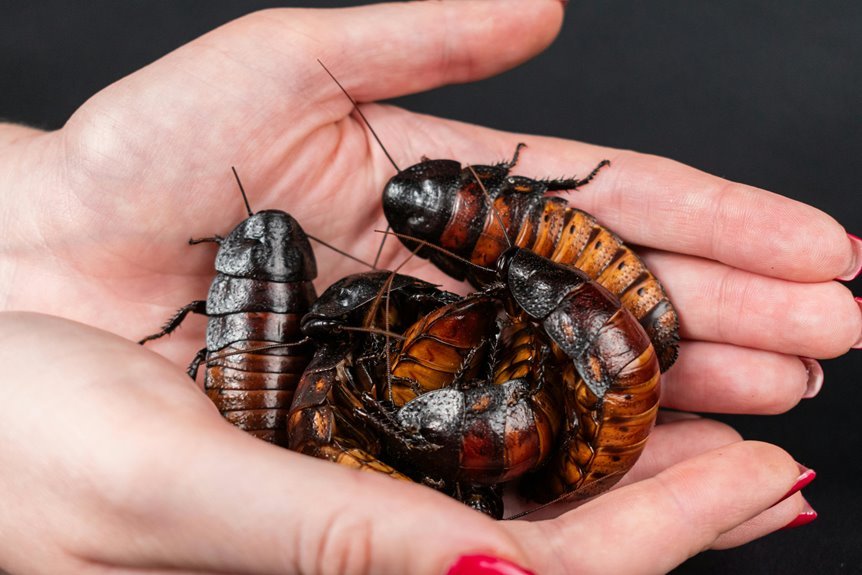

Cockroaches in the bathroom are usually a sign of moisture and tiny hiding spots. Start by removing food crumbs, fixing leaks, and sealing cracks around pipes. Use baits, traps, and dusts to cut down the roach population fast. Clean regularly and dry wet areas to keep them from coming back.
Quick Ways to Get Rid of Bathroom Roaches
Start through cutting off the bathroom conditions cockroaches need to survive. You’ll act fastest through removing moisture, crumbs, and access points, because roaches can’t thrive without them.
Wipe sink residue nightly, empty trash in sealed bins, and clean drains and pipes weekly. Run the fan during showers and for 20 minutes after, or use a dehumidifier to keep humidity under 60%.
Seal gaps around pipes, trim, and baseboards with silicone caulk, and re-grout damaged tile lines. For immediate reduction, use natural repellents such as peppermint or eucalyptus essential oils on cotton pads near entry points, but don’t rely on them alone.
Check behind the toilet, under the sink, and along wall penetrations so you can spot activity promptly and keep your space protected.
Use Gel Baits in Hidden Cracks
Apply gel bait in concealed crack areas where you’ve seen roach activity, including pipe penetrations, baseboards, and gaps behind fixtures.
Place only small dabs so the roaches can feed without avoiding the bait, and position them deep enough that they won’t get wiped away during routine cleaning.
Reapply the gel after you clean the area or once the bait gets consumed to keep control active.
Target Hidden Crack Areas
Focus on the concealed cracks where cockroaches shelter and travel, then place small dots of gel bait directly into those voids. Use crack detection to map obscured entryways around baseboards, pipe penetrations, grout lines, and the tub-to-wall seam. You’re not guessing; you’re targeting the routes the colony already trusts.
Keep the bait inside the crack, not on open surfaces, so it stays protected and effective.
- You cut off safe passage.
- You reduce nighttime sightings.
- You help your bathroom feel controlled again.
Inspect these gaps with a flashlight after cleaning, since moisture and debris can mask activity. Recheck after a few days and refresh any bait that’s been consumed or disturbed.
This focused placement strengthens the treatment without broadcasting chemicals where they don’t need to be.
Place Small Gel Dabs
Place tiny gel bait dots directly into the concealed cracks you’ve already identified, such as pipe gaps, baseboard seams, and the tub-to-wall edge. Keep each dab small—pea-sized or smaller—so roaches can feed without avoiding the spot.
Focus your gel bait placement on dark, protected voids behind the toilet, under the vanity, and along plumbing penetrations where they travel as a group. Use a precision applicator to keep the bait off wet surfaces and dust.
Check these sites regularly for monitoring effectiveness; active feeding shows the bait is working. Should dots remain untouched, shift them slightly deeper into the harboring crack.
At the time you place bait carefully, you help your bathroom team fight the infestation with a focused, shared strategy that fits into your clean-up routine.
Reapply After Cleaning
After you clean the bathroom, recheck the bait sites and refresh any gel that’s been removed, dried out, or covered with dust. You keep pest control effective whenever you place fresh dots in concealed cracks, behind the toilet, under the sink, and around pipe penetrations.
Reapply after every deep wipe-down so cockroaches keep finding the bait instead of your space.
- You protect your home’s quiet comfort.
- You support the same hygiene practices your household relies on.
- You stop reinfestation before it spreads.
Use only small amounts, and don’t smear the gel. In case cleaning removes it, replace it right away.
Keep bait away from moisture and harsh scrub zones, and check it weekly so you stay ahead together.
Use Boric Acid or Diatomaceous Earth
You can apply boric acid in thin, targeted lines near toilet bases, pipe penetrations, and cabinet edges, where roaches travel and hide.
Should you use diatomaceous earth, dust it lightly in dry voids and along baseboards, since it kills through dehydrating insects on contact.
Keep both products out of reach of children and pets, and reapply only after cleaning or moisture exposure reduces their effectiveness.
Boric Acid Application
Boric acid can help suppress bathroom roaches whenever you apply it sparingly in active zones such as behind the toilet base, under the sink, and along pipe penetrations.
For reliable pest control, dust a thin film into cracks, not open surfaces, so roaches contact it while moving. You’re protecting your space, and that matters. Wear gloves and a mask, then clean excess residue to keep the treatment targeted.
- You’ll feel more in control once concealed harborage gets treated.
- You’ll support your household by reducing roach activity at the source.
- You’ll build momentum with a precise, low-mess plan.
Recheck treated areas after cleaning or moisture changes, and reapply only where activity continues.
Diatomaceous Earth Use
Diatomaceous earth offers another dry-contact option for bathroom roach control, especially in cracks, gaps, and other concealed travel paths where moisture doesn’t linger.
You’ll get diatomaceous earth benefits whenever you use food-grade powder correctly: it abrades the insect cuticle, accelerates water loss, and supports long-term suppression.
For proper diatomaceous earth application, dust a thin, barely visible layer behind toilets, under sinks, along baseboards, and near pipe penetrations after you clean and dry the area.
Don’t pile it up; roaches avoid heavy deposits. Reapply after mopping or condensation.
Wear a mask to reduce inhalation, and keep pets and children away from treated zones.
Combine this method with sealing and sanitation so you and your household build a drier, less welcoming bathroom environment.
Seal Bathroom Gaps to Block Roaches
Sealing bathroom gaps cuts off the entry points and hiding places cockroaches use to move in and nest. You should inspect pipe penetrations, baseboards, trim, tub surrounds, and wall-floor joints, then perform gap sealing with durable materials.
For caulk application, clean the joint, dry it, and apply 100% silicone in a continuous bead so roaches can’t exploit breaks. Re-grout crumbling lines and replace cracked sealant around sinks and showers.
- You protect your space from unseen access.
- You reduce harborage that makes infestations feel unyielding.
- You build a bathroom that feels secure and shared, not invaded.
Check these seals every 6 to 12 months, especially near corners and plumbing voids. Tight, well-finished surfaces leave cockroaches fewer routes, helping you keep control.
Fix Leaks and Reduce Bathroom Moisture
Fix leaky faucets, dripping pipes, and loose shower or sink connections as soon as you notice them, because standing water and persistent dampness provide cockroaches the moisture they require to remain active.
You should inspect supply lines, valves, and trap seals during routine leak detection, then tighten fittings or replace worn washers before minor seepage becomes a steady foodless water source.
Keep ventilation running during showers and for at least 20 minutes afterward to push humidity down, and use a dehumidifier should your bathroom stays above 60% relative humidity.
Dry wet surfaces with a microfiber cloth after use, and check concealed moisture sources behind fixtures, near baseboards, and around penetrations.
At the time you control humidity consistently, you make your bathroom less inviting and help your household feel protected and comfortable together.
Clean Drains, Sinks, and Cabinets
Once you’ve reduced moisture, focus on the bathroom surfaces that keep feeding roaches. Scrub sinks nightly to remove toothpaste film, soap scum, and residue that shelter bacteria and attract pests.
For drain maintenance, flush drains weekly, clear hair and sludge, and inspect pipe openings for buildup. Wipe cabinet shelves, hinges, and corners during cabinet cleaning, then vacuum crumbs and debris from under the vanity.
- You’ll cut off concealed food traces.
- You’ll make nesting sites less inviting.
- You’ll help your bathroom feel cleaner and more secure.
Empty trash in sealed bins, and keep toiletries organized so roaches can’t move between cluttered items.
Should you stay consistent, you’re not just cleaning; you’re protecting the shared comfort of your home.
Use Roach Traps and Sprays Carefully
Place sticky traps in active areas like behind the toilet, under the sink, and inside vanity cabinets to monitor roach movement and catch small infestations.
Check them every few days and observe where captures concentrate; that pattern indicates which zones need focused treatment.
For better trap effectiveness, keep traps flat, unobstructed, and near walls or pipe openings.
Should you use sprays, choose products labeled for bathroom use and read the directions initially.
Prioritize spray safety by ventilating the room, avoiding contact with skin, and keeping the nozzle away from towels, toiletries, and drain openings.
Don’t soak surfaces; a light, targeted application reduces exposure while still reaching concealed roaches.
Combine traps and careful spraying so you stay in control and feel confident tackling the problem together.
Keep Bathroom Roaches From Returning
To keep bathroom roaches from coming back, you need to remove the conditions that let them thrive. Clean weekly, wipe toothpaste residue nightly, and empty trash in sealed bins.
Fix leaks, run the fan 20 minutes after showers, and keep humidity below 60%. Seal pipe gaps, cracked caulk, and baseboard openings every 6–12 months. These prevention strategies protect your space and help you feel confident in it.
- You cut off food and moisture sources.
- You block concealed entry points.
- You strengthen long term solutions that last.
Place gel bait near toilet bases and under sinks, then monitor it until consumption stops. Use sticky traps to confirm activity, not replace maintenance.
As you stay consistent, you build a healthier bathroom that feels like it belongs to you, not them.
Frequently Asked Questions
How Can I Identify the Roach Species in My Bathroom?
Inspect the roach’s body length, color, wing shape, and antenna length, then match those traits with common species such as German, American, and Oriental roaches. These details make identification much easier.
Are Cockroaches in Bathrooms Dangerous to My Health?
Yes, cockroaches in bathrooms can affect your health by spreading germs and causing allergy symptoms. You can lower the risk by keeping surfaces dry, sealing cracks, emptying trash often, and cleaning drains and residue regularly.
When Should I Call a Professional Exterminator?
Call a professional exterminator if roaches keep coming back, the infestation spreads, or you see activity around wall voids and pipes. Exterminator costs are often lower than repeated DIY failures, so use pest control tips and act quickly.
Can Roaches Live Inside Bathroom Drains or Pipes?
Yes, roaches can survive in bathroom drains and pipes, especially where moisture and residue collect. Clean the drain, seal openings around pipes, and block pest entry points to reduce hiding spots and stop access.
Do Bathroom Roaches Come From Neighboring Apartments?
Yes, bathroom roaches often enter from nearby apartments through shared walls, plumbing, and gaps around fixtures. To reduce them, coordinate pest control with neighboring units, seal openings around pipes and baseboards, and place bait near hiding spots.