
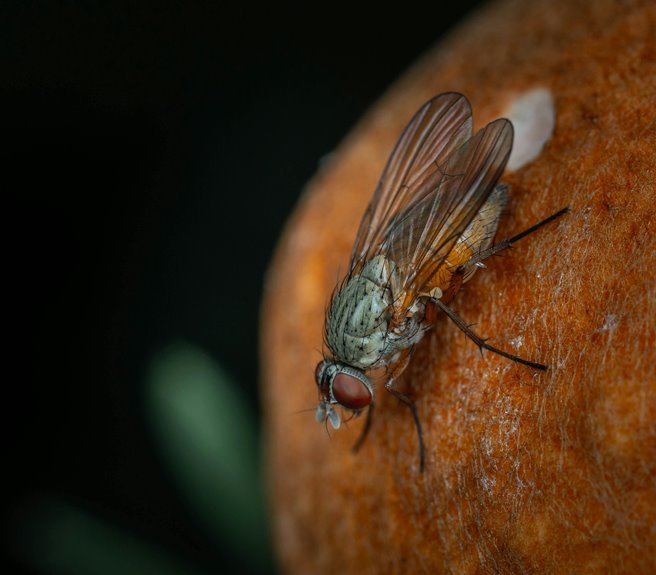

Fruit flies can feel impossible to beat, but you can catch them fast with a few simple traps you already have at home. Start with the easiest bait, then build from there, because the little pests usually follow scent before they notice danger. You’ll see why apple cider vinegar works so well, how soap changes the game, and which pantry fix can pull them in if the initial trap misses.
Why Fruit Flies Show Up So Fast
Fruit flies seem to appear overnight, but they’re usually already nearby, waiting for a tiny food source to call them in. You might notice them most in warm kitchens, where ripe fruit, sticky counters, and open trash give them easy access. They don’t need much. A splash of juice, a peel in the bin, or a damp sponge can draw them fast.
Because they breed quickly, one small mistake can turn into a crowd before you know it. That’s why you could see them around the sink, the compost, or the fruit bowl all at once. Whenever your space stays warm and a little sweet, they move in like uninvited neighbors, and they multiply faster than you’d expect.
Make an Apple Cider Vinegar Trap
You can make a simple apple cider vinegar trap with items you probably already have at home.
Mix a little apple cider vinegar with a few drops of dish soap in a jar, then cover it with plastic wrap and poke tiny holes in the top.
The scent pulls fruit flies in, and the soap helps them sink before they can get back out.
Apple Cider Mixture
A simple apple cider vinegar trap can make fruit fly cleanup feel much less frustrating, because it uses something they already love to draw them in. You’ll notice the apple scent initially, then the fermentation enzymes that mimic rotting fruit and pull them close. Mix a little vinegar with a drop of dish soap, and you’ll turn a plain jar into a smart little snare.
- Pour the mixture into a small container.
- Set it near fruit, drains, or counters.
- Refresh it once the smell fades.
This works because the soap breaks the surface, so flies can’t float away once they land. Should you’ve been feeling outnumbered, this trap gives you a quick win and helps your kitchen feel like yours again.
Plastic Wrap Cover
In case the vinegar-and-soap jar is already helping, the next step is to make the trap safer and easier to use with plastic wrap.
You stretch plastic wrap tightly over the jar, then secure it with a rubber band so the bait stays fresh and the flies stay curious.
Good hole placement matters, so poke a few tiny openings, just big enough for fruit flies to slip in.
Keep the holes near the center, not the edges.
For better odor control, use plain plastic wrap and skip scented cleaners.
A few ventilation tips help too: don’t seal the container so hard that the wrap sags into the liquid.
Whenever you set it beside the fruit bowl, you’re building a simple trap that feels easy, tidy, and made for your kitchen.
Try a Dish Soap and Vinegar Trap
Mix apple cider vinegar with a few drops of dish soap, and set the trap near your fruit bowl or any spot where flies keep showing up. The vinegar pulls them in, and the soap helps them sink once they land. As soon as the trap fills up, just empty it, rinse it, and make a fresh batch.
Mix Vinegar And Soap
Once fruit flies start circling your kitchen, a simple dish soap and vinegar trap can give you quick relief without much effort. You can mix about 4 tablespoons apple cider vinegar with 2 tablespoons dish soap, then stir gently so the soap breaks the surface tension. Should you need a lighter mix, adjust the vinegar ratios with a little water.
- Pour the mixture into a small cup.
- Try soap alternatives only provided you’re out of dish soap.
- Leave the trap where the flies keep showing up.
This little setup works because the smell draws them in, and the soap keeps them from escaping. You’re not alone here; lots of people use this same easy fix whenever the tiny invaders start acting bold.
Set Trap Near Fruit
Place the trap where the fruit flies already gather, because that’s where you’ll get the fastest results. Set it beside the fruit bowl, compost bin, or sink, so the sweet scent can spread through the room.
For smart kitchen placement, keep it on a counter or shelf close to the source, but not tucked behind clutter. You’ll also want to notice airflow patterns. A light draft can carry the vinegar scent farther, while strong air from a fan can push flies away. So, choose a calm spot where the trap stays steady and visible. That way, the dish soap and vinegar mix can do its job, and you can feel like you’re finally getting ahead of those tiny houseguests.
Replace When Full
Assuming your trap is already pulling in flies, you’re on the right track, but it won’t keep working forever once it fills up with dead insects and old bait. Whenever that happens, you need quick trap maintenance so your kitchen stays calm and fly-free. Empty the dish soap and vinegar mix, rinse the container, and make a fresh batch right away. That small reset keeps the scent strong and the flies interested.
- Check the trap daily, especially near fruit.
- Replace it whenever the liquid looks cloudy or crowded.
- Plan seasonal replacement whenever flies show up again in warm weather.
You’re not doing anything wrong; traps just lose their edge. A clean swap helps you stay ahead and keeps your space feeling like yours again.
Use a Paper Cone Trap
A paper cone trap gives you a simple way to outsmart fruit flies without much fuss. You can roll parchment into a paper funnel and fit the cone entrance into a jar with a little bait below. Flies follow the scent, slip inside, and then lose their way back out. That one-way shape helps you feel in control again.
| Step | Action |
|---|---|
| 1 | Cut or tear paper into a cone |
| 2 | Place the cone in the jar opening |
| 3 | Keep the bait low and the top snug |
Use a clean Mason jar, and make sure the cone sits tight. Suppose the edge lifts, fold it down. Then set it where flies gather, and let the trap do the quiet work for your kitchen.
Set Out a Wine or Beer Trap
Should you’ve already tried a paper cone trap and want another easy fix, a wine or beer trap can work just as well with even less setup. You can pour a little dregs into a small glass, then add a drop of dish soap so flies can’t escape.
This works because the sweet scent acts like an outdoor attraction, and the fermentation timing draws them in fast.
- Set the glass near your fruit bowl or sink.
- Use only a small amount, so it stays fresh.
- Replace it when the smell fades.
You’re not alone in this, and this simple trick fits right into a busy kitchen. In case you’d like a low-effort fix, this trap can help you feel in control again, without extra fuss.
Trap Fruit Flies With Overripe Fruit
Should you’ve got a banana that’s gone a little too soft or peaches that are starting to wobble, you can put that ripe fruit to work as a simple fruit fly trap.
Place the fruit in a small jar or bowl, then cover it with plastic wrap and poke a few tiny holes. The flies will follow the sweet smell, slip inside, and have a harder time getting back out.
You can set the trap near your fruit bowl, alongside decaying compost, or even close to backyard orchards should flies keep drifting in.
This method feels easy because it uses what you already have, and it helps you turn kitchen waste into a quick fix. Check it often, and replace the fruit whenever it loses its strong scent.
Keep Fruit Flies From Coming Back
Once you’ve trapped the flies already buzzing around your kitchen, the next step is to make your space less welcoming so they don’t come right back. You can do that with a few steady habits that fit right into your day and help your kitchen feel calm again.
- Throw out ripe produce and store fruit in the fridge.
- Seal gaps around windows, doors, and pipes so new flies can’t slip in.
- Clean drains with hot water and a brush, since food film can feed them.
Also, rinse recycling, wipe counters, and empty trash often.
Should you keep pet bowls clean and dry sink areas at night, you’ll cut off the easy food sources flies love.
Small steps like these help your kitchen stay fresh, familiar, and fly-free.
Frequently Asked Questions
How Long Do Fruit Fly Traps Usually Take to Work?
Fruit fly traps often start catching flies within 12 to 24 hours. If the infestation is heavy, it may take a few days to see a big drop. Results depend on how many flies are already in the home and where they are breeding, so replace the bait regularly and keep checking the traps.
Can I Use Plain Vinegar Instead of Apple Cider Vinegar?
Yes, you can use plain vinegar, but white vinegar is not as effective as apple cider vinegar. Wine vinegar can also work. For stronger results, add a little fruit or soap.
Should I Place Traps Near Sinks or Only Near Fruit?
Place traps by sinks, drains, fruit bowls, and window sills, since flies often gather in those spots. This helps you cover the main problem areas and catch any that move around the room.
How Often Should I Replace the Bait in Traps?
Replace the bait every 2 to 3 days, or sooner if it becomes full or dries out. If the bait is meant to last longer, check it regularly and refresh it as needed to keep flies out of your kitchen.
Are Homemade Traps Safe Around Pets and Children?
Yes, you can reduce risk by placing traps high or behind barriers, using shallow containers, and checking them frequently, but they still need to stay away from children and pets.